


🏠
Let's Figure This Out Together
We'll guide you through a quick 3-question assessment based on your specific situation. No pressure, just clarity.

By Daryl Gentry, Owner — TK Roofing and Gutters, LLC | Serving Northeast Ohio since 2003 | 3256 S Main St, Akron, Ohio 44319 | 330-858-2616
A leaky roof or aging shingles force you to make a critical choice: repair the problem or replace the entire system. The decision shapes your budget, your home's protection, and your family's peace of mind.
TK Roofing and Gutters has helped Northeast Ohio homeowners through this exact choice since 2003, and the answer depends on specific conditions unique to your roof and situation.
The good news? You don't have to guess. By understanding just four key factors, you'll know exactly which option protects your investment best.
Not sure where your roof stands?
Use this quick tool below— choose your roof age + repair history and get an instant recommendation. Don't delay getting your roof repaired or replaced.
Repair makes sense when your roof is under 15 years old and damage is isolated to one area. You'll save money upfront and extend your roof's remaining life without major expense.
A roof replacement is better when your roof is 20+ years old, damage is widespread, or repairs are recurring. You'll eliminate ongoing costs and protect your home for 15-30 years with a new system.
For Northeast Ohio homeowners, freeze-thaw cycles and ice dams accelerate aging, making replacement more likely even on younger roofs showing these specific damage patterns.
Roof age is the single most important indicator of whether repair or replacement makes sense. Different materials have different lifespans, and knowing where your roof falls on that timeline changes everything.
Asphalt shingles—the most common roofing material in Northeast Ohio—typically last 15 to 30 years with proper installation and ventilation. Metal roofing lasts considerably longer, often 40 to 70 years. Once your roof approaches its expected lifespan, replacement becomes the smarter investment.
Here's why: repair costs accumulate faster on aging roofs, and multiple repairs signal the system is failing.
Key age benchmarks:
For Northeast Ohio homeowners, this timeline matters even more. Our freeze-thaw cycles—repeated freezing and thawing throughout winter and spring—accelerate shingle aging.
Ice dams form when rooftop snow melts during the day, then refreezes over the eaves at night. This cycle damages shingles, flashing, and sealant faster than in milder climates.
A roof that might last 30 years in warmer regions often needs replacement by year 22-25 here.
Bottom line: If your roof is 20 years or older, replacement protects your home better than chasing repairs.
Damage severity tells contractors if isolated repairs work or if full replacement prevents recurring leaks. Professional contractors use a clear rule: if more than 30% of your roof is damaged, replacement makes financial sense.
Minor damage means isolated issues—a few missing shingles, one small leak, damaged flashing in one area. These repair beautifully and cost significantly less than replacement.
You're addressing the specific problem, not replacing the entire system.
Widespread damage tells a different story. Multiple leaks, large sections with missing shingles, granule loss across most of the roof, or visible sagging in the roof deck indicates systemic failure.
Your entire roof is deteriorating, not just one section. Fixing one area while others fail underneath means you'll be calling contractors repeatedly.
Damage indicators requiring professional assessment:
Water damage inside your home changes the equation immediately. If water has already entered your attic or upper floors, the roof deck beneath may have rotted.
Addressing only the surface shingles leaves the structural problem unsolved. Complete replacement becomes necessary to prevent mold, insulation damage, and frame deterioration.
Bottom line: If damage is isolated and surface-level, repair works. If it's widespread or causing interior water damage, replacement prevents costlier problems later.
Frequent repairs signal that your roof is reaching the end of its life. When you're calling contractors multiple times within a few years, repair costs accumulate quickly—often approaching or exceeding replacement costs.
Think of it this way: a single leak repair costs $200-$400. Fix three leaks in two years, and you've spent $600-$1,200 without solving the underlying problem.
Meanwhile, a new roof costs $5,000-$15,000 depending on your home's size and material choice, but provides 15-30 years of protection without ongoing repair expenses.
The psychological toll matters too. Every rain brings stress, and you're checking ceilings and worrying about hidden water damage.
Replacement eliminates that worry entirely.
Cost accumulation reality:
Bottom line: If you've repaired your roof more than twice in five years, replacement saves money and stress.
Our region's harsh freeze-thaw cycles, ice dams, and spring storms create specific roofing challenges that shape repair vs. replacement decisions. Understanding these conditions helps you make choices that account for your local climate.
Freeze-thaw cycles damage roofs uniquely. Water seeps under shingles during mild winter days when snow melts. At night, temperatures drop below freezing, and that water freezes, expanding and lifting shingles.
This repeated expansion and contraction cracks sealant, damages granules, and loosens shingles. After a few seasons, your roof's water resistance is compromised.
Ice dams create another Northeast Ohio problem. Snow accumulates on your roof, and heat from your attic melts the bottom layer. Meltwater flows down toward the eaves, where it hits unheated overhang areas and refreezes.
Ice dams back up water under your shingles, forcing it into your attic and walls. Proper ventilation and insulation help prevent ice dams, but damaged roofs with poor ventilation are especially vulnerable.
Spring brings hail and high-wind storms. Missing shingles, dented materials, and loosened flashing are common after storm season.
Quick repair prevents water intrusion before freeze-thaw cycles worsen damage.
Northeast Ohio seasonal considerations:
A roof that's already aging faces worse damage from these cycles. If your roof is 18+ years old and shows signs of freeze-thaw damage, replacement before winter protects better than repairs that fail in the next freeze cycle.
Bottom line: Northeast Ohio's weather accelerates aging. If your roof is reaching the end of its lifespan, replace it before the next winter season hits.
Freeze-thaw cycles, lake-effect snow, and spring storms make aging roofs fail faster here than in warmer regions. This means repair timelines and replacement ROI differ significantly from national averages.
A roof showing wear in year 18 here might have 5+ more years in a temperate climate. Conversely, a "young" roof showing freeze-thaw damage at year 12 may need replacement sooner than its manufacturer's lifespan suggests.
This geographic reality is why choosing a Northeast Ohio roof repair contractor matters—we understand these patterns intimately.
Roof repair extends lifespan affordably when damage is minor and the roofing system remains structurally sound. Choose repair when:
Repairs extend your roof's life affordably. You're addressing specific problems while the overall system still functions.
A few missing shingles, a small leak, or damaged flashing around one vent are perfect repair scenarios. Professional contractors can match roofing materials closely (though weathering may create slight color differences).
Modern asphalt shingles install easily. Flashing, sealant, and penetration repairs are straightforward. You get the specific problem fixed, your roof returned to full protection, and years of additional life—all at a fraction of replacement cost.
Replacement solves problems at their root by eliminating the failing system entirely and installing new materials designed to protect for 15-30 years. Choose replacement when:
Your home receives complete protection, your insurance company backs the entire system, and you avoid the stress of repeated repairs.
The long-term math strongly favors replacement in these scenarios. Spending $8,000 once beats spending $1,500 repeatedly while your roof fails.
New roofs increase home value (homeowners recover 100% of replacement costs when selling), improve energy efficiency, and provide measurable peace of mind.
Roof repairs typically cost $150-$1,500 depending on damage scope, while full replacement costs $5,000-$15,000 based on home size, materials, and labor rates. Simple fixes like replacing a few shingles run $150-$400. Fixing moderate leaks and repairing larger sections costs $500-$1,200.
Major repairs addressing extensive damage or multiple problems reach $1,500+.
Asphalt shingles (most affordable) run on the lower end of replacement costs. Premium architectural shingles, metal, or specialty materials cost more.
Northeast Ohio pricing generally falls mid-range nationally.
The financial equation becomes clear when you project costs forward. One repair today might be followed by another next year, and another two years later.
Five-year repair projections can total $2,000-$4,000 without solving the underlying problem.
A roof repair lasts as long as your roof's remaining lifespan when done properly. Repairing an 18-year-old roof means that repaired section works for the remaining 5-12 years before the entire roof needs replacement.
Repairs on younger roofs (under 12 years) often last 10-15 years or more. The repaired section functions identically to original material if installed to manufacturer standards, but overall roof age determines when systemic replacement becomes necessary.
Professional installation guarantees quality, extends roof life, and prevents the repair from failing early.
Insurance covers storm damage when weather events cause visible harm—hail, wind, or fallen trees damage your roof directly. Document all damage with photos immediately after storms strike.
Insurance adjusters assess whether repair or replacement makes financial sense. If replacement is approved, your homeowner's insurance covers replacement costs minus your chosen deductible.
Pre-existing damage from aging, lack of maintenance, or gradual wear isn't covered. TK Roofing handles insurance claim documentation, provides detailed damage photos, and works directly with adjusters to maximize your coverage and get your roof restored quickly.
Fall replacement works best in Northeast Ohio before winter freeze-thaw cycles begin. New roof installation completes while temperatures support proper material curing and sealant drying.
Spring and summer allow replacement too, though summer thunderstorms occasionally disrupt schedules. Winter replacement presents challenges—cold affects shingle flexibility, snow complicates cleanup, and contractor availability drops significantly.
Scheduling fall or spring replacement ensures faster completion, optimal installation conditions, and protection before harsh winter weather arrives.
Ice dams appear visibly along roof eaves after winter snow melts during the day and refreezes at night over the overhang. Look for ice ridges along gutters, water backing up under shingles, or water dripping unevenly from eaves.
Interior signs include water stains near exterior walls on upper floors appearing during snow-melt periods. Attic inspection reveals moisture damage, wet insulation, or mold development.
Proper ventilation and insulation prevent ice dams, but aging roofs with poor ventilation worsen the problem. Professional inspection identifies whether ice dams signal repair needs or replacement urgency for long-term protection.
The repair-or-replace decision rests on four clear factors: roof age, damage scope, repair frequency, and regional weather impact. Understanding where your roof falls on this spectrum eliminates guesswork and gives you confidence in your choice.
The clearest path forward starts with a professional inspection from someone you trust. TK Roofing & Gutters has served Northeast Ohio homeowners since 2003, understanding exactly how our freeze-thaw cycles, ice dams, and seasonal weather impact roofs differently than other regions.
Our inspection process follows the TK Promise: thorough assessment, clear explanations, transparent recommendations. We don't pressure you toward expensive replacements when repairs work.
We don't suggest repairs that will fail and cost more money later. We explain exactly what your roof shows, what it means for your situation, and what option protects your investment best.
With our GAF Certified Plus and CertainTeed Select ShingleMaster™ certifications, we understand manufacturer standards and material performance. Our 20-year crew knows freeze-thaw damage patterns, ice dam vulnerabilities, and storm season risks in Akron, Canton, Massillon, Stow, Hudson, and Cuyahoga Falls neighborhoods.
We stand behind our work with a 20-year workmanship warranty—significantly longer than the 10-year standard other contractors offer. Our double magnet sweep cleanup means your yard is genuinely safe for kids and pets after every project.
Free inspections reveal exactly what your roof needs. No pressure. No guessing. Just honest assessment from contractors who've protected Northeast Ohio roofs for over two decades.
Protect your home with clarity. Call today for your free inspection.


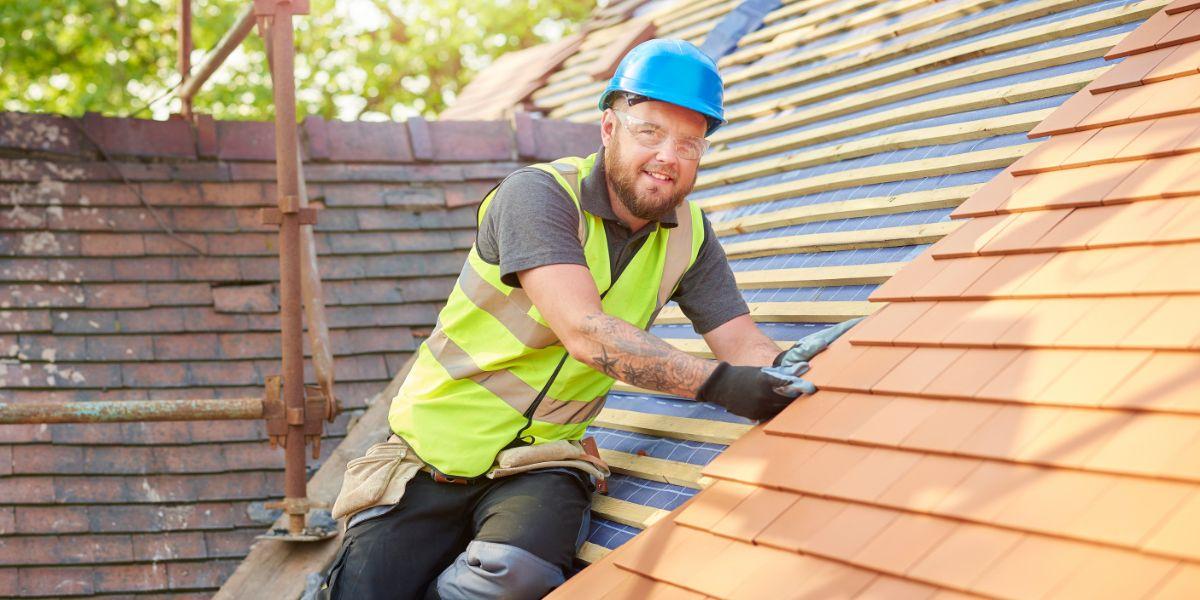 How Do I Tell If a Roofer Is Pushing Replacement When Repair Is Enough?
Learn the four tests that separate a legitimate replacement recommendation from scope inflation, and why who pays your roofer matters as much as what they find.
 My Roof Is 15 Years Old and I Have One Leak: Repair or Replace?
A single leak at 15 years usually traces to failed flashing, not a dying roof. Here is how Akron homeowners can tell repair from replacement with confidence.
We understand the importance of making an informed decision, which is why we offer a free inspection and estimate to assess your roofing requirements accurately. Our certified roofing contractors will be delighted to schedule an appointment at your convenience, ensuring that you receive personalized attention and a comprehensive understanding of the scope and cost of your roofing project.
Get your roof replaced at an affordable price and with a long warranty!


