


How Often Should You Replace Your Roof? A Northeast Ohio Homeowner's Guide
Date Posted:
December 15, 2025
Author:
Daryl Gentry
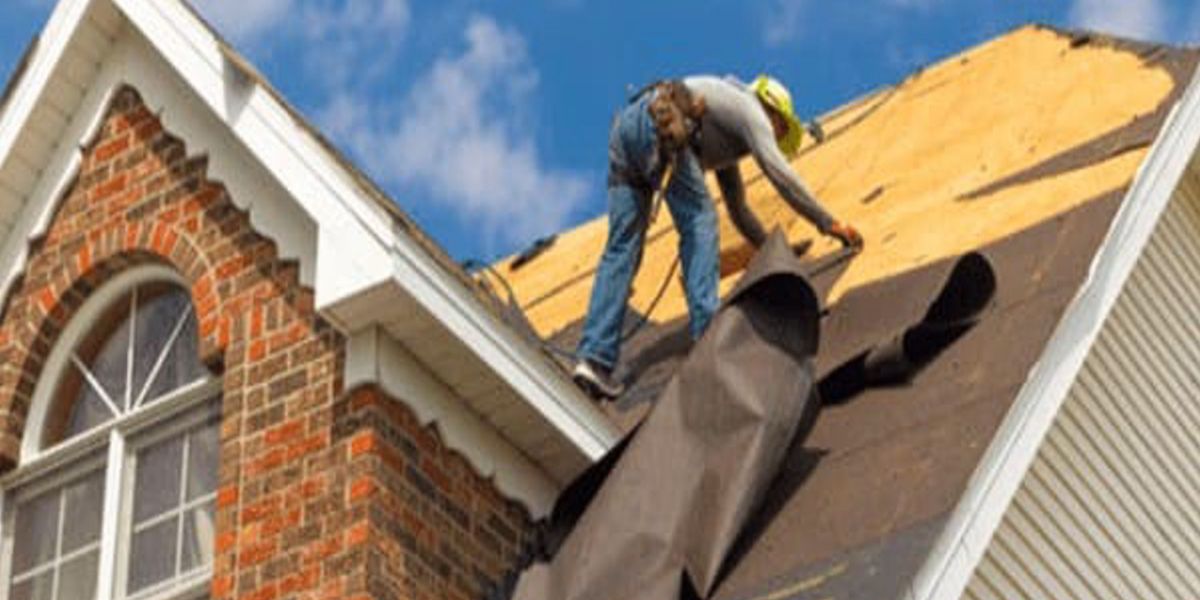
Most homeowners in Northeast Ohio should plan to replace their asphalt shingle roofs between 15 and 30 years, depending on material type, installation quality, and how well they handle the region's harsh freeze-thaw cycles.
But age isn't the only factor. Your roof might need replacement sooner—or could last longer—based on visible damage, proper maintenance, and how well your contractor installed it initially.
Understanding when to get a roof replacement saves thousands in water damage repairs and gives you peace of mind before the next harsh Ohio winter hits.
Key Takeaways
- Northeast Ohio’s climate accelerates roof aging by increasing freeze-thaw stress on asphalt shingles.
- Homeowners extend roof lifespan by scheduling annual inspections and addressing early warning signs promptly.
- Poor installation quality shortens roof lifespan by weakening shingle performance and voiding manufacturer warranties.
- Timely roof replacement prevents costly interior water damage by restoring full protection against Ohio’s severe weather.
Find out if you should you replace your roof or siding first.
Typical Roof Lifespan by Material
Different roofing materials have dramatically different lifespans, ranging from 15 years for basic options to over 100 years for premium choices. Your material choice determines how often replacement becomes necessary.
According to InterNACHI's Standard Estimated Life Expectancy Chart for Homes—a trusted industry standard used by certified home inspectors nationwide—architectural asphalt shingles have a life expectancy of 30 years while 3-tab asphalt shingles last about 20 years.
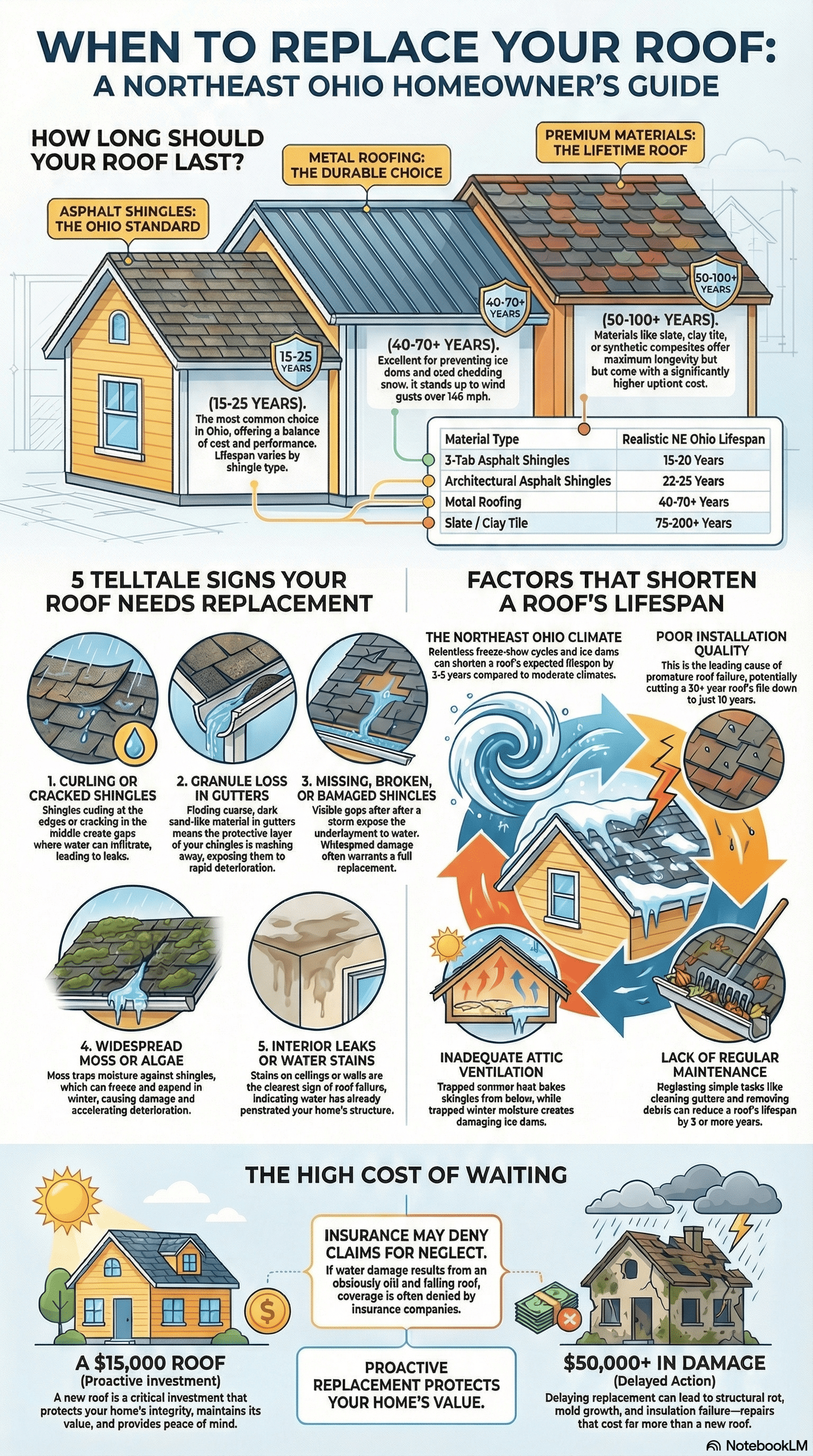
However, realistic timelines differ from manufacturer claims in actual conditions. 3-tab asphalt roofs should realistically last around 15 to a maximum of 20 years, while architectural shingles should last 22 to 25 years.
Asphalt shingles — the most common roofing material in Ohio — provide affordable protection that handles moderate weather. Metal roofing offers exceptional durability. Metal roofs can last 40 to 70 years or more, making them ideal for preventing ice dams, shedding snow quickly, and standing up to wind gusts exceeding 140 mph.
Premium materials like slate or synthetic composites can last 50-100+ years, though they cost significantly more upfront.
For most Northeast Ohio homeowners, asphalt shingles deliver the best balance of cost, performance, and reasonable replacement frequency.
Asphalt Shingles: The Ohio Standard
Asphalt shingles dominate Northeast Ohio roofs because they're affordable, install easily, and provide solid weather protection when properly maintained. But understanding the differences between shingle types helps you plan replacement timing accurately.
3-tab shingles are the budget-friendly option. They're flat, lightweight, and cost less to install. Realistically, plan for replacement around 15-20 years. Architectural (or dimensional) shingles offer better durability and visual appeal. They last roughly 22-25 years with proper care. Premium or luxury shingles are the high-end choice with thicker construction. These can reach 30 years or even longer in ideal conditions.
In Akron asphalt shingle roofs typically last 20–25 years, while metal and slate options can last much longer. The difference between "typical" and "maximum" lifespan comes down to installation quality, attic ventilation, maintenance, and how harsh your winters have been.
5 Key Signs Your Roof Needs Replacement
Age alone doesn't tell the full story. Your roof might need replacement before it reaches the 20-30 year mark—or it might hold up longer if well-maintained. Watch for these five warning signs.
1. Curling or Cracked Shingles
When shingle edges curl upward (called "cupping") or the middle sections rise ("clawing"), your roof's protective barrier is compromised and replacement should be planned soon. Curled shingles create gaps where water infiltrates during storms, leading to leaks and interior damage.
Cracking happens as asphalt hardens over time or when trapped attic heat damages shingles prematurely. These damaged shingles can no longer shed water effectively.
If curling or cracking is widespread across your roof (not just one area), replacement is typically more cost-effective than patching individual sections.
2. Granule Loss in Gutters and Downspouts
Granules are small protective pieces embedded in asphalt shingles that shield the underlying asphalt from UV rays, fire damage, and weathering—losing them signals your roof is aging and needs replacement. When granules wash off, the asphalt layer becomes exposed and deteriorates rapidly.
Check your gutters, downspouts, and ground around your home's foundation after heavy rain or storms. If you find coarse, dark granular material, your roof is losing protection.
Finding granules this deep in gutters shows significant wear. While some granule loss is normal, widespread loss indicates your roof is nearing the end of its useful life.
3. Missing, Broken, or Damaged Shingles
Missing shingles, visible after storms or high winds, expose the underlayment and decking to water infiltration—requiring either targeted repair or full replacement depending on extent and age. A few missing shingles on a newer roof might warrant repair. Multiple missing or broken shingles on a roof approaching 20 years typically means replacement makes more sense financially.
Broken shingles might result from hail, wind, fallen branches, or poor installation. Inspect your roof after storms. If you see large damaged sections or shingles missing across multiple areas, a professional inspection is essential to determine repair versus replacement.
4. Moss, Algae, or Dark Discoloration
Moss growth on older roofs traps moisture against shingles, which freezes and expands in Ohio winters, damaging materials and accelerating deterioration. While algae (dark streaks) doesn't always require replacement, widespread moss growth indicates your roof is aging and vulnerable.
Humid, shaded areas on roofs are particularly prone to moss and algae. If you see green or dark growth covering significant roof area, your shingles are likely compromised.
Professional cleaning helps temporarily, but persistent regrowth suggests your roof is nearing replacement time anyway.
5. Interior Leaks and Water Stains
Water stains on ceilings or walls inside your home are the clearest sign that your roof is failing to protect your home—requiring immediate professional assessment and likely replacement. Interior water damage means moisture has penetrated past shingles, underlayment, and decking into your home's structure.
Check your attic during heavy rain for active leaks. Look at ceilings and upper-floor walls for discoloration. Water stains indicate advanced roof failure.
Even if your roof isn't at the end of its lifespan, active leaks typically warrant replacement over repair because the underlying damage is already done.
The Northeast Ohio Climate Factor
Freeze-thaw cycles unique to Northeast Ohio winters create extraordinary stress on roofing materials, shortening realistic lifespan and making professional installation absolutely critical. Your roof's age means less than climate stress.
Ohio winters are tough on roofing systems because temperature swings around the freezing point create expansion and contraction cycles that weaken roofing materials over time, while heat escaping through poorly insulated roofs melts snow that later freezes at the eaves, creating ice dams.
Ice dams form when your home's heat escapes through the attic and melts the snow on your roof, then freezes as the temperature drops—allowing ice and water to get under shingles and cause major damage. This process repeats dozens of times each winter, literally tearing roofing materials apart.
Akron, Canton, Massillon, Stow, Hudson, Cuyahoga Falls, and surrounding communities experience some of Ohio's harshest conditions. Your roof faces relentless freeze-thaw stress that accelerates aging compared to more moderate climates.
Plan for Northeast Ohio roofs to need replacement 2-5 years sooner than manufacturer timelines suggest.
Proper attic ventilation and insulation directly prevent ice dams and extend roof life. Many older Northeast Ohio homes lack adequate ventilation, which accelerates deterioration. If your roof keeps developing ice dam leaks year after year, replacement with proper ventilation installation is usually the long-term solution.
Factors That Speed Up Roof Replacement
Age and weather aren't the only culprits. Several other factors can force premature roof replacement years before you'd expect.
Poor Installation Quality
Installation mistakes are the leading cause of premature roof failure—a poorly installed roof might need replacement within 10 years instead of 20+, even with quality materials. This is why contractor selection matters as much as shingle selection.
Common installation errors include improper nailing patterns, inadequate ventilation considerations, poor flashing around penetrations, and incorrect underlayment installation. These problems void manufacturer warranties and guarantee premature failure. When hiring a roofing contractor, ask about certifications and experience. TK Roofing holds certifications from GAF, CertainTeed Select ShingleMaster™, and Owens Corning—designations earned through proven installation excellence.
Inadequate Attic Ventilation
Poor attic ventilation traps heat and moisture, causing shingles to overheat and degrade rapidly while allowing ice dams to form in winter. Inadequate ventilation is one of the most overlooked roof killers.
Without proper airflow, summer heat can push attic temperatures to 150°F or higher, baking asphalt shingles and accelerating aging. Winter moisture buildup promotes mold and wood rot. Trapped heat melts snow from below, creating the ice dam cycle that tears shingles apart. Installing proper ventilation—balanced intake and exhaust vents—preserves roof life and prevents ice dams. Many Northeast Ohio homes need ventilation upgrades along with roof replacement.
Storm Damage and Severe Weather
Hail, high winds, and falling debris can destroy roofing systems instantly, sometimes necessitating replacement years before expected lifespan ends. This is especially common in Northeast Ohio, which experiences spring hailstorms and summer thunderstorms regularly.
Hail larger than 1 inch in diameter dents asphalt shingles, dislodges granules, and creates cracks that let water in. High winds can rip shingles completely off, exposing underlayment. Tree branches can puncture or crack shingles. If your roof sustains major storm damage, insurance may cover replacement. Get a professional inspection immediately after severe weather to document damage for insurance claims.
Lack of Maintenance
Neglecting routine maintenance—gutter cleaning, debris removal, and minor repairs—accelerates roof deterioration by allowing moisture to sit on shingles and creating conditions for algae and moss growth. Regular maintenance extends roof life by 5+ years.
Clean gutters prevent water backup that seeps under shingles. Remove debris accumulation on the roof. Trim overhanging branches. Address small leaks and missing shingles before they become major problems. Schedule professional roof inspections annually and after major storms. This proactive approach catches issues early and keeps your roof performing at its best.
Extend Your Roof's Life: Maintenance That Matters
Regular maintenance, professional inspections, and prompt repairs address small problems before they become expensive failures—extending your roof's life significantly and saving thousands in damage repairs. The best investment is prevention.
Schedule professional roof inspections at least once yearly, and always after severe storms. A trained inspector spots problems ground-level eyes miss: lifted shingles, compromised flashing, premature granule loss, or ventilation issues. Catch problems early, and repairs cost hundreds instead of thousands.
Keep gutters clean, especially in fall. Clogged gutters cause water backup that seeps under shingles, destroying decking and insulation. Remove debris from your roof regularly. In humid Northeast Ohio, clean off moss and algae growth promptly. Check for interior leaks during heavy rain—water stains on ceilings are early warning signs.
Replace missing shingles immediately. A few missing shingles expose underlayment to weather. Repair flashing around chimneys, vents, and skylights before they leak. Address ice dam formation by improving attic ventilation and insulation. These maintenance actions preserve your roof's integrity and extend replacement timelines.
Other Roofing Materials: Beyond Asphalt Shingles
While asphalt shingles are most common in Northeast Ohio, other materials offer longevity advantages if you're considering replacement options.
Metal roofing stands out for freeze-thaw resistance. Metal roofs can last 40 to 70 years or more, making them ideal for preventing ice dams, shedding snow quickly, and standing up to wind gusts exceeding 140 mph. Metal's smooth surface sheds water and snow efficiently, eliminating ice dam problems entirely. The higher initial cost ($6-12 per square foot installed) is offset by decades without replacement. For Northeast Ohio homeowners planning 30+ year roofs, metal deserves serious consideration.
Synthetic or composite shingles (made from polymer blends or wood-look composites) last 40-50 years and resist impact, algae, and weather extremes better than asphalt. Cost runs higher ($4-8 per square foot), but longevity and minimal maintenance make them attractive for some homeowners.
Slate and clay tile are premium options lasting 75-200+ years. Weight requires structural reinforcement and skilled installation. Cost is prohibitive for most ($10-25+ per square foot), but these materials are truly "lifetime" roofs.
For most Northeast Ohio homeowners, architectural asphalt shingles or metal roofing deliver the best combination of cost, performance, and regional suitability.
The Cost of Waiting: Why Timely Replacement Matters
Delaying roof replacement after seeing warning signs leads to interior water damage, structural rot, mold growth, and insulation failure—costs that dwarf the expense of timely replacement. A $15,000 roof replacement costs far less than $50,000+ in water damage repair.
Water infiltration damages ceiling drywall, wall framing, and insulation. It promotes mold growth that affects indoor air quality and home resale value. It weakens structural components and creates expensive repair scenarios. Insurance companies often deny coverage if claims result from obvious roof neglect or age-related failure.
If your roof is 15+ years old and showing warning signs, budget for replacement. Getting multiple quotes from certified contractors helps you plan financially. Many contractors offer financing options. Your investment protects your home's integrity, maintains property value, and gives you years of worry-free protection.
How TK Roofing And Gutters Protects Your Home
TK Roofing and Gutters brings 20+ years of hands-on roofing experience to every Northeast Ohio project, combining certified installation, premium materials, and unwavering attention to detail.
As a GAF Certified Roofing Contractor and CertainTeed Select ShingleMaster™ (held by only about 3% of roofing companies), TK Roofing demonstrates commitment to installation excellence. The Select ShingleMaster™ designation unlocks the highest level of CertainTeed SureStart PLUS™ extended warranty coverage—giving you protection that exceeds industry standards.
TK Roofing offers a 20-year workmanship warranty, compared with the 5-year standard many competitors provide. This reflects confidence in installation quality and commitment to customer satisfaction.
Every roof includes the TK Promise: thorough inspection, clear explanation of findings, property protection during work, and meticulous cleanup with double magnet sweeps to remove nails and debris.
Understanding your roof's lifespan and replacement needs is the first step. Getting a professional inspection from a certified contractor is the next.
Contact TK Roofing and Gutters for a free roof inspection. Call 330-858-2616 today. We'll evaluate your roof's condition, explain what you're seeing, and help you plan the best path forward—whether repair, maintenance, or replacement.
FAQ: Your Roof Replacement Questions Answered
Is a 20 Year Old Roof Too Old?
A 20-year-old asphalt roof is approaching or at the end of its expected lifespan, making it time to monitor closely for warning signs or plan replacement within the next 2-5 years. Most old-style asphalt roofs start to fail after 14 years, and if your roof is between 18-20 years of age, you've attained a good amount of life out of it and it's probably time to replace it. However, condition matters more than age alone. A well-maintained 20-year-old roof showing no damage signs might last 5 more years. A neglected 15-year-old roof might need replacement immediately. Get a professional inspection to assess your specific situation.
How Long Can a Roof Go Without Being Replaced?
A functioning roof can theoretically go indefinitely if perfectly maintained, but realistic Northeast Ohio asphalt roofs reach maximum performance around 25-30 years and should be replaced before reaching 30+ years to prevent water damage. Waiting beyond 30 years risks interior damage that's far more expensive than roof replacement. Environmental factors matter enormously—roofs in harsh climates deteriorate faster than those in mild regions. Don't let your roof deteriorate to the point of failure. Plan replacement proactively based on age, condition, and warning signs rather than reacting to leaks.
What Are the Main Signs I Need a New Roof?
The five primary indicators are curling or cracked shingles, granule loss in gutters, missing or broken shingles, moss or algae growth, and interior water stains. Any one of these warrants a professional inspection. Multiple signs together indicate urgent replacement need. Age is also significant—roofs 20+ years old should be inspected annually. Don't ignore small problems hoping they'll resolve themselves. Proactive replacement or repair prevents catastrophic interior damage.
How Does Northeast Ohio Weather Affect My Roof's Lifespan?
Freeze-thaw cycles and ice dams unique to Northeast Ohio winters accelerate roof deterioration significantly, shortening realistic lifespan by 2-5 years compared to moderate climates. Temperature swings around freezing cause expansion and contraction that weakens materials. Ice dams caused by poor ventilation force water under shingles repeatedly. Proper attic ventilation, quality installation, and regular maintenance become even more critical in Ohio's harsh climate. When replacing your roof, ensure proper ventilation installation to maximize lifespan and prevent ice dams.
Your Roof Replacement Starts Now
Understanding your roof's age, material type, and condition lets you plan replacement proactively instead of reacting to emergency failures. Most Northeast Ohio homeowners should expect to replace asphalt shingle roofs within 20-30 years, but climate stress, installation quality, and maintenance significantly impact actual replacement timing.
If your roof is 15+ years old, watch for warning signs. If you see curling shingles, granule loss, missing sections, or interior leaks, don't delay. If you're approaching 20 years regardless of visible condition, schedule a professional inspection. Getting ahead of roof failure protects your home, maintains property value, and prevents expensive water damage.
TK Roofing and Gutters serves homeowners across Northeast Ohio with certified installation, quality materials, and the expertise earned through 20+ years of hands-on experience.
Call 330-858-2616 today for your free roof inspection. We'll assess your roof's condition, explain what needs attention, and help you plan the best solution for your home and budget.
Your peace of mind is just a phone call away.

Call Us
(330) 858-2616
Email Us
info@tkroofingandgutters.com
Visit Our Office
3256 South Main St. Akron, Ohio 44319

Hours
9am - 5pm
Monday to Friday
Closed Holidays
Monday to Friday
Closed Holidays
Related Posts
 How Do I Tell If a Roofer Is Pushing Replacement When Repair Is Enough?
Learn the four tests that separate a legitimate replacement recommendation from scope inflation, and why who pays your roofer matters as much as what they find.
Read Article
 My Roof Is 15 Years Old and I Have One Leak: Repair or Replace?
A single leak at 15 years usually traces to failed flashing, not a dying roof. Here is how Akron homeowners can tell repair from replacement with confidence.
Read Article
Search


