


Should I Use a Roofing Contractor That Uses Subcontractors?
Date Posted:
June 22, 2026
Author:
Daryl Gentry
By Daryl Gentry, Owner — TK Roofing and Gutters | Serving Northeast Ohio since 2003 | 3256 S Main St, Akron, Ohio 44319 | 330-858-2616
Using a roofing contractor that works with subcontractors is not inherently a problem. Most roofing companies in Northeast Ohio use subcontracted labor at least some of the time, and a well-run operation can deliver excellent work regardless of crew structure. What matters is not the employment arrangement — it is whether the contractor is accountable for the outcome.
A subcontractor is a crew or company a roofer hires to perform the work rather than sending its own employees — whether those crew members are on the company's payroll as W-2 employees or engaged as 1099 independents. That distinction matters for understanding what you are asking about, but it tells you very little about the quality of the work you will receive.
The right question is not "does this contractor use subcontractors?" The right question is "who is responsible if something goes wrong, who do I call, and will they actually answer?"
For everything related to how to evaluate a contractor before you hire, see Hiring a Roofing Contractor in Northeast Ohio: The Complete Guide.
Quick Answer
- A subcontractor is a crew or company hired to perform roofing work rather than the contractor's own employees.
- Subcontractors are common in roofing and are not a red flag on their own.
- The contractor who signs your contract is responsible for the quality of work regardless of who performs it.
- The questions to ask are about accountability, insurance coverage and direct access to decision-makers — not employment status.
Subcontractors Are Common in Roofing — That Is Not the Issue
Most roofing companies use subcontracted crews for at least some of their work, and the industry has operated this way for decades without subcontracting being inherently a quality or accountability problem.
Roofing is seasonal, weather-dependent and project-driven. Contractors scale up when demand spikes — after a storm season, during peak summer months — and scale back during slower periods. Using subcontracted crews rather than maintaining a large in-house team is one of the ways the industry manages that variability. It does not mean the contractor is less experienced, less accountable or less invested in doing the job right.
The employment arrangement between a contractor and their crew tells you very little about the quality of the work. The contractor's accountability for that work tells you everything.
The problem homeowners actually run into is not subcontracting itself. It is a contractor who subcontracts to an unfamiliar crew with no verification of credentials, no supervision during installation and no clear ownership of the outcome if a problem develops. That pattern is worth protecting against — and the way to protect against it is with the right questions, not by avoiding contractors who use subcontractors altogether.
What Actually Matters: Accountability and Crew Continuity
The most important accountability question in any roofing project is not who installs the roof — it is who stands behind the work when something needs attention six months or two years later, and whether you can actually reach that person.
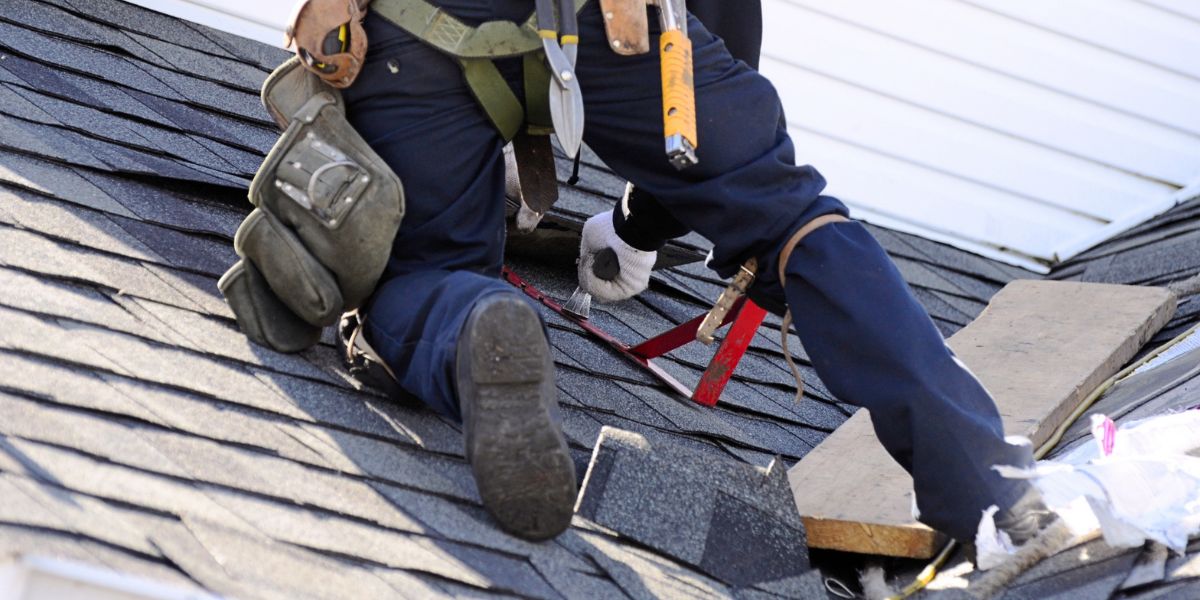
Long-term crew relationships matter more than employment status. A contractor who has worked with the same subcontracted crews for ten or fifteen years — who knows how those crews work, trusts their installation habits and has put their business reputation behind that work repeatedly — provides more accountability than a contractor with a rotating roster of direct in-house employees hired last season.
At TK Roofing and Gutters, we work primarily with the same crews we have relied on since 2003. When subcontractors are part of a project, they are crews we know and have worked alongside for years. But the more important point is this: when you call TK Roofing, you talk to Daryl, or Natalie. Not a call center, not a project coordinator in a different state, not someone who has to look up your file. You talk to someone who is local. That direct line of accountability is what actually protects you when a question comes up after the job.
For more on what separates accountable contractors from those who are not, see What Makes a Roofing Company Trustworthy?
For how the workmanship and manufacturer warranty chain works, see Roofing Certifications and Warranties Explained.
Five Questions to Ask Any Contractor About Their Crew
Before signing a roofing contract, ask these five questions to establish accountability regardless of whether the crew is an in-house team or a subcontracted one.
These are not gotcha questions. A contractor who runs a clean operation will answer all five without hesitation.
- Who will actually be on my roof? You are entitled to know whether the crew is on the company's payroll or is a subcontracted team. A vague or evasive answer is a red flag.
- Can I see certificates of insurance for all crew members? Ask for COIs covering both workers compensation and general liability for everyone on your property. If a contractor cannot produce documentation, do not proceed.
- Who is my point of contact during and after the project? A named, reachable person — not a general customer service line — is what you need. Ask specifically who you call if a problem develops a year from now.
- Who backs the workmanship warranty? The answer should be the contractor who signed your contract. If the answer is unclear, or if the contractor suggests that warranty issues go back to the crew, that is a problem.
- How long have you worked with this crew? Long-term relationships signal consistent standards. A contractor whose subcontracted crews have worked with them for years is a different risk profile from one who brings in unfamiliar labor for each job.
For what these commitments should look like in a written contract, see Understanding Roofing Estimates and Contracts.
Frequently Asked Questions
Is it bad if a roofing contractor uses subcontractors?
Using subcontractors is not inherently bad — most roofing companies in Northeast Ohio rely on subcontracted labor at least some of the time, and accountability for the outcome belongs to the contractor who signed your contract regardless of crew structure. What matters is whether the contractor verifies insurance for every crew member, maintains long-term crew relationships and stands behind the workmanship warranty without deflecting to the crew.
Does using subcontractors affect my roof warranty?
Your workmanship warranty is issued by the contractor who signed your contract — not by the crew who performed the installation — so subcontracting does not change who is responsible for warranty claims. This is separate from the manufacturer's material warranty, which covers defects in the roofing products themselves. A reputable contractor owns the workmanship outcome directly and points you to the manufacturer for material defects.
How do I know if my roofing contractor uses subcontractors?
Ask directly before signing — a reputable contractor will tell you clearly whether the crew are company employees or a subcontracted team, and will produce certificates of insurance for all of them. Vague answers about crew composition are a warning sign. For what to watch for when vetting a contractor, see 7 Roofing Scams to Watch For in Northeast Ohio.
What should I ask a roofing contractor about their crew before hiring?
Ask who will be on your roof, whether the crew is on the company's payroll or subcontracted, whether all crew carry workers compensation and general liability insurance, who your named point of contact is and how long the contractor has worked with that crew. A licensed, bonded and insured contractor who answers all of these clearly is a contractor operating with accountability.
Who You Talk to Matters as Much as Who Shows Up
The crew on your roof matters. So does the person you can call after they leave.
Subcontracting is not a red flag. Opacity about who is working on your home, unverified insurance and no clear owner of the outcome — those are red flags.
At TK Roofing and Gutters, when you call about a roof replacement, repair or inspection, you talk to Daryl. Not a scheduling department. Not a project manager in a call center. The owner. We work primarily with crews we have trusted since 2003, we require documentation before anyone steps on your property, and we stand behind the work — not around it.
Call us at 330-858-2616 or visit tkroofingandgutters.com for a free inspection.
For questions about fair payment terms before work begins, see What Is a Fair Deposit for a Roofing Job?

Call Us
(330) 858-2616
Email Us
info@tkroofingandgutters.com
Visit Our Office
3256 South Main St. Akron, Ohio 44319

Hours
9am - 5pm
Monday to Friday
Closed Holidays
Monday to Friday
Closed Holidays
Related Posts
 How Do I Tell If a Roofer Is Pushing Replacement When Repair Is Enough?
Learn the four tests that separate a legitimate replacement recommendation from scope inflation, and why who pays your roofer matters as much as what they find.
Read Article
 My Roof Is 15 Years Old and I Have One Leak: Repair or Replace?
A single leak at 15 years usually traces to failed flashing, not a dying roof. Here is how Akron homeowners can tell repair from replacement with confidence.
Read Article
Search


