


My Roof Is 15 Years Old and I Have One Leak: Repair or Replace?
Date Posted:
July 27, 2026
Author:
Daryl Gentry

By Daryl Gentry, Owner — TK Roofing and Gutters, LLC | Serving Northeast Ohio since 2003 | 3256 S Main St, Akron, Ohio 44319 | 330-858-2616
One isolated leak on a 15-year-old roof usually calls for a repair, not a full roof replacement. If the leak has a single fixable source and the shingles around it are still in good shape, patching the problem is the smart move.
The real question is not the leak itself. It is whether that leak is an isolated component failure or the first sign of a roof reaching the end of its life. In Northeast Ohio, where winters are hard on shingles that second question deserves an honest look before you spend a dime.
Key Takeaways
- A single isolated leak signals component failure, not roof failure.
- Roughly 95 percent of roof leaks start at a flashing point, according to GAF.
- Manufacturer shingle lifespan ratings assume ideal conditions, not freeze-thaw winters.
- Northeast Ohio roofs often show age-related wear by year 15.
- The 50 percent rule compares repair cost to replacement cost.
- A professional inspection determines whether damage is isolated or systemic.
What One Leak at 15 Years Usually Means
According to GAF, roughly 95 percent of roof leaks start at a flashing point rather than in the open shingle field. That is good news for you. It means one leak at year 15 rarely signals a dying roof. Water almost never breaks through the open field of shingles. It sneaks in at the interruptions, the spots where your roof meets a chimney, a vent pipe or a wall.
The most common culprit at this age is the pipe boot. That is the rubber collar sealing the plumbing vents poking through your roof. Those collars commonly crack after 10 to 15 years of sun exposure. Failed step flashing along walls and dried out chimney sealant follow close behind.
Each of these is a targeted, affordable fix that stops the leak without touching the rest of the roof.
How to Tell if Your Roof Leak Needs Repair or Full Replacement
The condition of the roof around the leak decides between repair and replacement. A cracked pipe boot on an otherwise healthy roof is a repair. That same leak on a roof showing widespread wear is a warning shot.
Here is what tips the answer toward replacement.
- Heavy granule loss that leaves shingles looking bald or fills your gutters with grit.
- Shingles that curl at the edges or snap when lifted. S]
- Soft spots in the decking you can feel underfoot. A second or third leak in a different area.
- A history of repairs stacking up year after year.
Any one of these means the leak is a symptom, not the disease. If you are seeing several, read our guide on the signs you need a new roof vs. a repair before deciding.

Why 15 Years Is Older in Northeast Ohio
Shingles in freeze-thaw climates like Northeast Ohio's tend to fall short of the lifespan printed on the product label. Manufacturer ratings assume ideal conditions, not decades of Akron winters. Most online advice about roof age is written to those label numbers, which treats a 15-year-old roof as barely middle aged. Around here, that assumption does not hold.
Each winter, moisture works into the tiny gaps in an aging roof, freezes, expands and pries things apart a little more. Then it thaws and the cycle repeats, over and over, every season. Add heavy snow loads and spring windstorms and shingles in Northeast Ohio simply carry more stress by year 15 than the same shingles would in a milder climate.
That does not mean your roof is finished. Plenty of well installed, well ventilated roofs perform for years past this point here. It means age counts differently in Northeast Ohio, and your decision should too. Our guide on how long roofs last in Northeast Ohio covers the full picture.
How to Decide: The 50% Rule and Two More Tests
The 50 percent rule compares your repair estimate against the cost of a full replacement. If the repair runs more than half the cost of a new roof, replacement is the smarter investment. A single flashing or pipe boot repair almost never comes close to that line, which is why repair wins for most homeowners in your exact situation. We break the rule down fully in our article on the 50 percent rule for roof replacement.
Two more tests help. First, the frequency test. If this is your second or third repair call in a few years, those bills are quietly adding up toward replacement territory. Compare where you stand using our roof repair vs. replacement cost guide.
Second, your plans. If you intend to sell within a few years, a documented repair plus an inspection report often serves you better than a full replacement you will not be around to enjoy. It is still worth understanding how roof replacement affects home value before you list. If you are staying put, get familiar with what a roof replacement costs in Northeast Ohio so the numbers never surprise you.
Frequently Asked Questions
Can a 15-year-old roof be repaired instead of replaced?
Yes, a 15-year-old roof can usually be repaired when the leak is isolated and the surrounding shingles are still sound. Most single leaks at this age trace back to failed flashing or a cracked pipe boot rather than worn out shingles. A professional inspection confirms whether the rest of the roof has enough life left to justify the repair.
Does one leak mean my whole roof is failing?
No, one leak does not mean your roof is failing. GAF's own data shows that roughly 95 percent of roof leaks start at a flashing point, not in the shingle field itself. Water usually finds its way in at penetrations like chimneys, vents and pipe boots. If the leak has a single fixable source and the shingle field is healthy, a targeted repair solves the problem.
How much longer will a 15-year-old roof last in Northeast Ohio?
A well installed 15-year-old roof can still have years of useful life left, but no rule of thumb can promise it. Manufacturer lifespan ratings assume milder conditions than Northeast Ohio winters deliver, so roofs here often age ahead of the label. Installation quality, attic ventilation and storm history all matter. An inspection gives you a realistic estimate for your specific roof.
Will insurance cover a leak on a 15-year-old roof?
Insurance typically covers leaks caused by sudden events like wind or hail damage, not leaks caused by age or gradual wear. Many policies also pay less on older roofs, sometimes covering only depreciated value. Review your policy and document the damage with photos. If a storm caused the leak, have a certified contractor inspect and document it before you file your claim.
How do I know if my leak is isolated or the start of bigger problems?
An isolated leak has one clear source, such as failed flashing, and the surrounding roof shows no widespread wear. Warning signs of bigger problems include heavy granule loss, curling shingles, soft decking and a history of repeated repairs. Multiple leaks almost always point to systemic aging. A roofer who inspects the attic and the roof surface can tell you which situation you have in one visit.
Get a Straight Answer Before You Spend a Dime
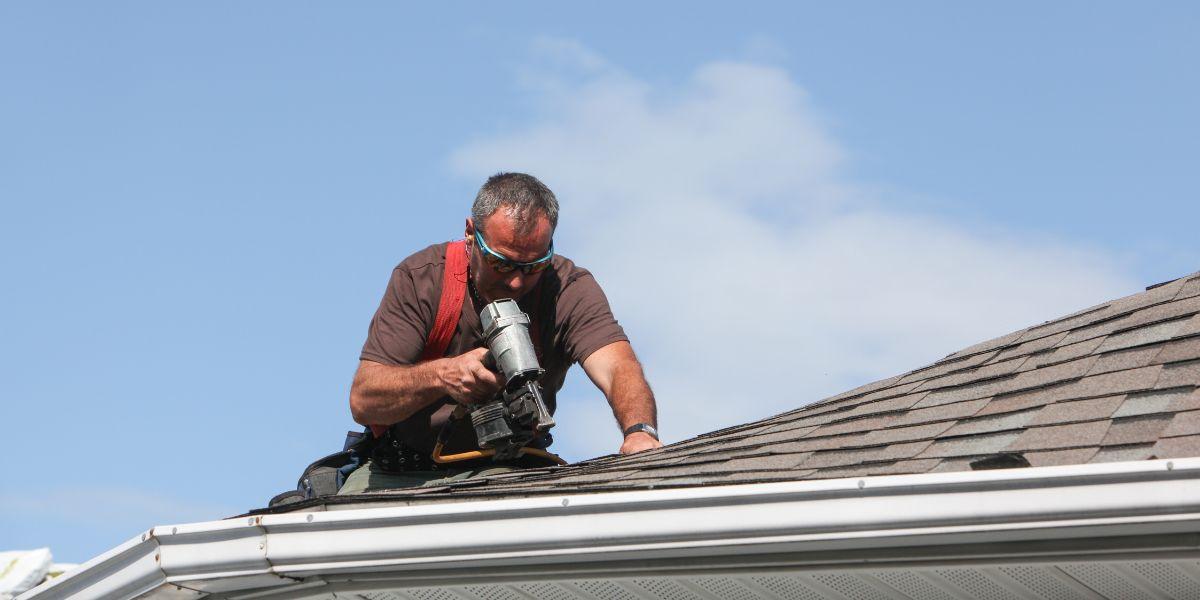
A thorough inspection answers the repair or replace question better than any rule of thumb. At TK Roofing and Gutters, we inspect the leak source, the shingle field, the flashing and the attic before recommending anything. If a repair solves it, that is what we will tell you.
As a GAF Certified Plus, CertainTeed SELECT ShingleMaster and Owens Corning certified contractor, we have the training to know the difference.
Every job comes with the TK Promise: a thorough inspection, a clear explanation of what we found, protection for your landscaping and a double magnet sweep of your yard. Call Daryl and the team at 330-858-2616 for a free inspection.

Call Us
(330) 858-2616
Email Us
info@tkroofingandgutters.com
Visit Our Office
3256 South Main St. Akron, Ohio 44319

Hours
9am - 5pm
Monday to Friday
Closed Holidays
Monday to Friday
Closed Holidays
Related Posts
 How Do I Tell If a Roofer Is Pushing Replacement When Repair Is Enough?
Learn the four tests that separate a legitimate replacement recommendation from scope inflation, and why who pays your roofer matters as much as what they find.
Read Article
 What Is the 50% Rule for Roof Replacement?
The 50% rule says replace your roof when repair costs exceed half of replacement value. Learn what it is, what it is not and how to apply it in Northeast Ohio.
Read Article
Search


