


How Roof Condition Affects Tenant Retention
Date Posted:
May 11, 2026
Author:
Daryl Gentry
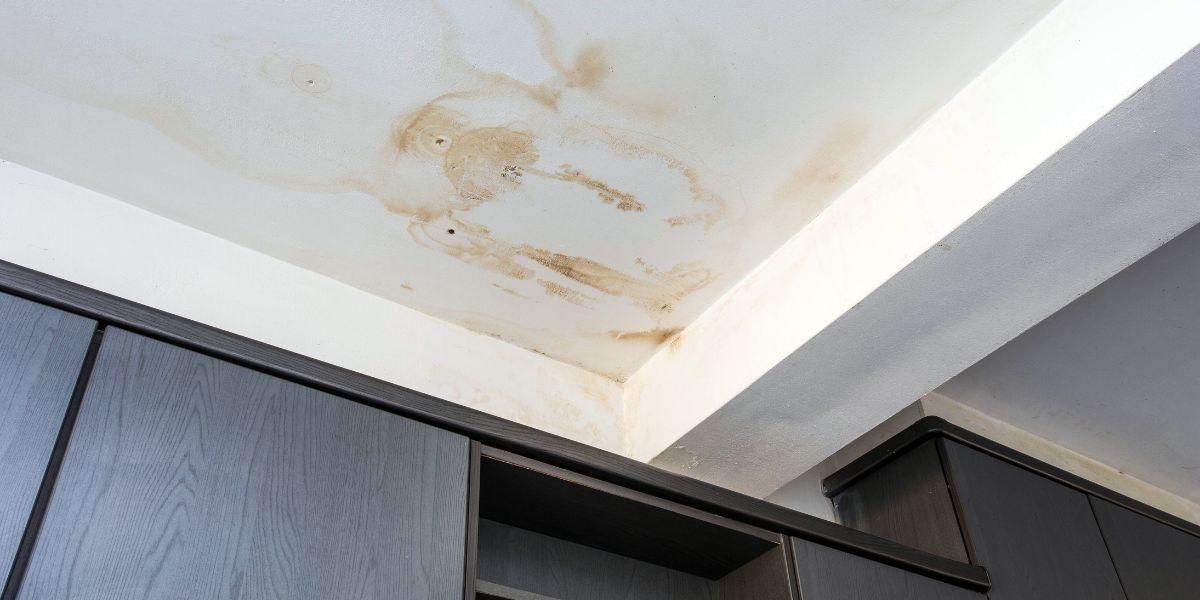
Roof condition directly affects tenant retention by shaping how tenants experience and evaluate the property they live in.
A deteriorating roof signals deferred maintenance to tenants. That signal erodes trust, generates complaints, and accelerates lease non-renewal — costing property managers far more than any repair would have.
Tenants rarely leave over rent alone. Surveys consistently show that maintenance responsiveness ranks among the top three drivers of lease renewal.
When roof problems go unaddressed — leaks, water stains, drafts, or visible deterioration — tenants draw a direct conclusion about how much the property manager values their living conditions.
For property managers overseeing portfolios across Northeast Ohio, this dynamic carries an added layer of urgency. Ohio's freeze-thaw climate degrades roofs faster than in most of the country.
That means roof condition problems surface more frequently, more visibly, and at higher cost when deferred.
Quick Answer
A failing or neglected roof increases tenant dissatisfaction, drives lease non-renewal, and raises turnover costs that typically range from $1,000 to $5,000 per unit. In Northeast Ohio's freeze-thaw climate, roof deterioration accelerates — making proactive roof management one of the most cost-effective retention strategies available to property managers.
Key Takeaways
- Roof condition is a direct signal of management quality to tenants
- Maintenance satisfaction is one of the top three drivers of lease renewal
- Tenant turnover costs $1,000 to $5,000 per unit on average, according to the National Apartment Association
- Northeast Ohio's 40 to 60 annual freeze-thaw cycles accelerate roof deterioration
- Proactive inspection and a trusted roofing vendor are core retention tools
- A certified contractor with a strong workmanship warranty protects portfolio value

The Specific Roof Problems That Drive Tenants Out
Roof problems become tenant retention problems the moment they affect habitability, comfort, or the tenant's perception of how well the property is managed.
Most tenants don't think much about the roof — until something goes wrong. Then it becomes the only thing they think about. A ceiling stain after a rainstorm. A cold draft near the bedroom window in January. The smell of mildew after a wet spring. These aren't abstract maintenance concerns. They affect daily life.
Specific roof failure points that generate tenant complaints and lease non-renewals include:
- Active leaks and water intrusion. Water stains, ceiling damage, and dripping leaks are the most reported roofing complaints in rental properties. They cause direct property damage and immediate tenant distress.
- Ice dam formation. In Summit County, Stark County, and Medina County, ice dams form when heat escapes through an inadequately ventilated roof. Water backs up under shingles and finds its way inside. Tenants report ceiling damage and window leaks that appear without warning.
- Mold and moisture accumulation. Roof leaks create hidden moisture that feeds mold growth inside walls and ceilings. Mold is a habitability issue. In Ohio, landlords have a legal obligation to maintain livable conditions.
- Energy inefficiency. A deteriorating roof with compromised insulation raises heating and cooling costs. Tenants notice higher utility bills. That becomes a friction point at renewal time.
- Visible exterior deterioration. Curling shingles, missing granules, sagging fascia — tenants see these before they ever report a leak. Visible deterioration shapes their perception of the entire property.
Every one of these problems is both a retention risk and a deferred maintenance signal. For property managers, the risk compounds when a tenant reports a problem and the response is slow or incomplete.
That sequence — visible problem, slow response, unresolved issue — is the most direct path to a non-renewal.
Understanding the reasons not to delay roof repairs starts with recognizing that tenant tolerance for unresolved structural problems is limited. Review the 5 signs it's time to replace your roof to benchmark the warning indicators worth catching before a tenant does.
Why the Connection Between Roof Condition and Tenant Decisions Runs Deep
Tenants interpret the physical condition of a property as evidence of how much the landlord or property manager values their experience.
This is not a new concept in property management. The National Apartment Association has noted that renters who are satisfied with maintenance are three times more likely to renew their lease. Maintenance isn't just a cost center — it's a trust signal. And no maintenance failure is more visible, more disruptive, or more threatening to habitability than a roof problem.
Think about it from the tenant's perspective. An appliance breaks, and a repair tech shows up the next day. A roof leaks, and suddenly water is entering the living space. The ceiling is stained. There's a smell.
The tenant doesn't know whether it's going to get worse. They don't know if there's mold inside the wall. They're living in a space they can no longer fully trust.
That experience doesn't just generate a maintenance ticket. It generates doubt about whether this is a property worth staying in. It generates conversations with family members, reviews on Google, and ultimately a decision at renewal time.
Property managers who respond quickly and completely to roof-related complaints recover tenant trust. Those who don't are often surprised when a long-term tenant simply declines to renew — citing "looking for something new" when the real driver was a ceiling stain that sat unaddressed for six weeks.

What a Failing Roof Actually Costs a Property Manager
According to the National Apartment Association, tenant turnover costs property managers between $1,000 and $5,000 per unit on average — and a single preventable roof failure can trigger that cost across multiple units in the same portfolio.
That range reflects real expenses: lost rent during vacancy, cleaning and repairs before re-leasing, advertising costs, leasing staff time, and administrative work. For a property manager overseeing 50 units across Cuyahoga Falls, Green, or Massillon, even a modest 10% annual turnover rate means five turnovers per year. At the midpoint turnover cost, that's $12,500 in annual losses — minimum.
Roof failures add a compounding cost layer. When a leak goes unaddressed, it doesn't stay a roof problem. It becomes a drywall problem. A mold remediation problem. A flooring problem. Emergency repairs cost more than planned repairs. Emergency roofing work costs more than scheduled inspections.
There are also less visible costs. A tenant who leaves over a maintenance failure is unlikely to leave quietly. Online reviews, reduced referral rates, and reputational damage in local rental communities affect future leasing velocity.
For property managers reporting to owners, explaining a pattern of non-renewals tied to deferred maintenance is a difficult conversation.
Understanding how roof replacement impacts property value reframes replacement as a portfolio asset decision — not just a maintenance expense. A well-timed roof replacement protects occupancy rates, preserves asset value, and removes a major tenant complaint category for years.
Northeast Ohio's Climate Makes Roof Condition More Urgent
Northeast Ohio's freeze-thaw cycle is among the most damaging climate conditions for residential roofing in the country — and it directly compresses the timeline between a functioning roof and a problem roof.
The Cleveland-Akron-Canton corridor experiences 40 to 60 freeze-thaw cycles annually. Each cycle works the same way: moisture infiltrates small cracks or gaps in shingles or flashing, freezes overnight, expands, and widens the opening.
Over a single winter, dozens of these cycles accumulate. Sealant strips fail. Shingles lift. Flashing separates. Ice dams form at the eaves.
The result is a regional reality most property managers in Summit County, Portage County, and Stark County already know from experience: roofs here don't last as long as national averages suggest. Standard asphalt shingles rated at 30 years by the manufacturer often reach end of life at 15 to 25 years in Ohio conditions.
A roof that looks serviceable from the ground may be compromised in ways that won't become visible until a wet spring or a hard winter.
For a portfolio with properties built in the 1980s or 1990s — common across the Akron, Hudson, and Bath Township markets — this means roof condition deserves regular attention, not just reactive inspection after complaints.
Spring and fall are the critical inspection windows. Spring reveals damage from freeze-thaw accumulation. Fall identifies vulnerabilities before winter stress returns.
A property manager who builds those two inspection cycles into the annual maintenance calendar is managing proactively. One who waits for a tenant complaint is managing reactively — and paying the retention cost that comes with it.
Proactive Roof Maintenance as a Retention Strategy
Proactive roof maintenance reduces tenant complaints, extends roof lifespan, and gives property managers the documentation needed to support owner reporting and capital planning.
The goal of proactive roof management isn't just to avoid problems. It's to remove an entire category of tenant dissatisfaction from the portfolio. A property manager whose roofs are consistently inspected, promptly repaired, and properly documented doesn't face the tenant trust erosion that comes with reactive maintenance.
Practical steps for Northeast Ohio portfolios include:
- Biannual inspections, minimum. Spring and fall inspections catch damage before it generates tenant complaints. Properties in Medina County and Summit County with older shingle systems warrant more frequent checks after significant storms.
- Written inspection records. Documentation protects the property manager in owner reporting conversations and in any legal dispute over habitability. A dated inspection record showing the roof was assessed and found acceptable is meaningful.
- Prompt repair execution. Small issues — lifted flashing, a cracked vent boot, minor granule loss — become large issues quickly in Ohio's climate. A $300 repair deferred for six months can become a $3,000 water damage repair.
- Gutter maintenance coordination. Gutters and roofing are interconnected systems. Clogged gutters contribute directly to ice dam formation and fascia damage. Gutter maintenance belongs on the same maintenance calendar as roof inspection.
- Vendor pre-qualification. Having a trusted, responsive roofing contractor already in your vendor network before a problem occurs is the difference between a 48-hour turnaround and a two-week wait during an active tenant complaint.
Detailed roof care tips for rental property owners offer a practical inspection framework for Northeast Ohio properties. Building those practices into a portfolio-wide maintenance schedule creates consistency that tenants experience — even when everything is working as it should.
What Property Managers Should Look for in a Roofing Contractor
The roofing contractor a property manager selects becomes a direct variable in tenant satisfaction — contractor reliability, communication quality, and workmanship standards all affect how quickly problems get resolved and how completely.
Hiring a contractor for a portfolio is a different decision than hiring one for a single-family home. For property managers, the contractor becomes part of the operational infrastructure. They need to meet a higher standard of reliability, documentation, and professionalism.
Key criteria to evaluate include:
- Manufacturer certifications. Contractors certified by GAF, CertainTeed, or Owens Corning have met verified installation standards and can offer extended manufacturer warranty coverage. That coverage protects the property manager when a post-installation issue arises.
- Workmanship warranty length. A standard workmanship warranty in the industry runs 5 to 10 years. A contractor offering a 20-year workmanship warranty is making a significantly stronger commitment to installation quality — and to the property manager's ability to plan long-term.
- Documentation and communication. Property managers need contractors who produce written inspection reports, post-repair documentation, and clear invoicing. That paperwork supports owner reporting and protects the management company in disputes.
- Reliable scheduling and project completion. A contractor who reschedules mid-job or delivers incomplete work creates downstream problems for tenant notification, unit readiness, and owner communication. Completion timelines matter at the portfolio level.
- Local knowledge and longevity. A contractor with decades of experience in Northeast Ohio understands how Summit County and Stark County winters behave, what ice dam patterns look like on specific building types, and how local housing stock ages.
TK Roofing and Gutters has served residential and multi-unit properties across Northeast Ohio since 2003. As a GAF Certified Plus™ contractor, CertainTeed Select ShingleMaster, and Owens Corning certified roofer, TK Roofing and Gutters brings verified installation standards to every project.
The company offers a 20-year workmanship warranty — double the industry standard — giving property managers a concrete planning horizon for the properties in their portfolio.
Family-owned and operated, TK Roofing and Gutters serves property managers in Akron, Canton, Massillon, Cuyahoga Falls, Hudson, Green, and surrounding communities across Summit, Stark, Portage, and Medina counties.
Frequently Asked Questions
How often should a rental property roof be inspected?
Rental property roofs in Northeast Ohio should be inspected at least twice per year — once in spring and once in fall — to catch damage before it affects tenants or escalates into costly repairs.
Spring inspections identify damage accumulated from freeze-thaw cycles, ice dams, and winter storms. Fall inspections reveal vulnerabilities before the next cold season begins. Properties with older shingle systems, or those in Summit County and Stark County markets with significant housing stock from the 1980s and 1990s, may warrant additional checks after major storms.
Biannual inspection cadence gives property managers the documentation they need for owner reporting and capital planning.
Can a damaged roof cause a tenant to break their lease in Ohio?
In Ohio, landlords and property managers are legally required to maintain rental units in a habitable condition — and a roof that allows water intrusion, mold growth, or structural deterioration can create grounds for lease termination.
Ohio's implied warranty of habitability requires that rental properties remain safe and livable. A roof leak that goes unaddressed, leads to mold, or causes ongoing interior damage may give a tenant legal standing to withhold rent, pursue remedies through local housing authorities, or vacate the unit.
Beyond legal exposure, unresolved roof problems damage the management relationship and are a leading driver of voluntary non-renewal. Prompt repairs and documented inspections are the most effective protection.
What should property managers look for when hiring a roofing contractor?
Property managers should prioritize manufacturer certifications, workmanship warranty length, documentation practices, and scheduling reliability — because contractor performance directly affects tenant experience and owner reporting.
A contractor certified by GAF, CertainTeed, or Owens Corning has met verified installation standards that protect both the property and the management company. Workmanship warranties of 20 years offer significantly more planning certainty than the industry-standard 5 to 10 years.
Written inspection reports, post-repair documentation, and consistent communication are non-negotiable for portfolio management. Local contractors with long track records in Northeast Ohio also bring climate-specific knowledge that out-of-area companies cannot replicate.
Roof Health Is a Retention Strategy — Treat It Like One
Roof condition is a portfolio management variable, not just a maintenance line item.
Property managers who treat roof health proactively — with regular inspections, prompt repairs, and a reliable certified contractor in their vendor network — remove an entire category of tenant dissatisfaction from their operations.
They protect occupancy rates, reduce turnover costs, and give owners the confidence that comes from documented, well-managed assets.
In Northeast Ohio, the urgency is real. Freeze-thaw cycles, ice dam risk, and accelerated shingle degradation mean that deferred roof maintenance compounds faster here than in most markets.
The cost of a missed inspection is measured in tenant complaints, emergency repairs, and lease non-renewals that were entirely preventable.
TK Roofing and Gutters works with property managers across Summit, Stark, Portage, and Medina counties — bringing 20-plus years of Northeast Ohio roofing experience, manufacturer certifications, and a 20-year workmanship warranty to multi-unit and single-family rental portfolios.
For a free inspection and estimate, call (330) 858-2616.

Call Us
(330) 858-2616
Email Us
info@tkroofingandgutters.com
Visit Our Office
3256 South Main St. Akron, Ohio 44319

Hours
9am - 5pm
Monday to Friday
Closed Holidays
Monday to Friday
Closed Holidays
Related Posts
 How Do I Tell If a Roofer Is Pushing Replacement When Repair Is Enough?
Learn the four tests that separate a legitimate replacement recommendation from scope inflation, and why who pays your roofer matters as much as what they find.
Read Article
 My Roof Is 15 Years Old and I Have One Leak: Repair or Replace?
A single leak at 15 years usually traces to failed flashing, not a dying roof. Here is how Akron homeowners can tell repair from replacement with confidence.
Read Article
Search


