


5 Ways To Keep Roof Replacement Costs Down in Northeast Ohio
Date Posted:
March 30, 2026
Author:
Daryl Gentry

Roof replacement ranks among the biggest home investments most homeowners face. A new roof protects your home, prevents interior water damage, and maintains your property's market value.
But the average homeowner in the region spends $12,400 on a roof replacement. Understanding where costs come from and how to reduce them without sacrificing quality changes everything.
The good news? Strategic planning, smart timing, and informed contractor selection can lower your total investment significantly while ensuring your roof lasts decades.
Key Takeaways
- Roof replacement timing reduces labor costs by 10–15% when scheduled during off-season months.
- Roofing estimates reveal cost breakdowns and help homeowners avoid overpaying for labor and materials.
- Professional roof inspections identify hidden damage and prevent unexpected replacement costs.
- Roofing materials determine long-term cost, lifespan and energy efficiency for Ohio homes.
- Workmanship warranties protect homeowners from roof installation defects and future repair expenses.
1. Roof Replacement Timing Reduces Labor Costs During Off-Season Months
Roof replacement timing directly impacts labor costs and contractor availability in the region. Roofing contractors experience dramatically different workloads throughout the year, and this demand directly impacts pricing and scheduling flexibility.
Most roofers stay slammed from late spring through early fall when weather conditions favor installation. This peak-season pressure means contractors can pick and choose their jobs, premium pricing applies, and scheduling delays stretch timelines.
In Akron-area markets—particularly Canton and surrounding communities—heavy demand May through October drives costs upward across the board.
The real savings opportunity? Late fall and winter months offer the biggest discounts:
- November through March represent off-season periods
- Fewer homeowners schedule replacements when temperatures drop
- Contractors actively negotiate on labor costs rather than turn away work
Late February and early March offer an especially sweet spot: the roof is clear of heavy snow, temperatures are rising, but peak-season demand hasn't begun.
Early spring (April–May) provides another advantage: moderate temperatures allow shingle sealant to cure properly, whereas winter installations may not seal until the following spring. This timing balance reduces future performance issues while capturing off-season pricing before the rush begins.
The financial reality: A typical roof replacement costs $12,400. A 10–15% labor reduction equals $1,240–$1,860 in savings simply by scheduling strategically. When combined with other cost-reduction tactics, timing alone can fund higher-quality materials or extended warranties.
2. Roof Replacement Estimates Reveal Cost Breakdowns Across Labor, Materials and Disposal
Comparing three to five detailed estimates from licensed, insured roofers prevents overpaying and reveals hidden cost patterns. This research step separates informed homeowners from those who settle for the first quote they receive.
When requesting a roofing estimate, ask contractors to break costs into three clear categories:
- Materials (shingles, underlayment, flashing, ice and water shield)
- Labor (removal, installation, cleanup, safety equipment)
- Disposal (dumpster, haul-away fees)
This transparency shows where your money actually goes. Most homeowners are surprised to learn labor represents 60% of total roof replacement cost—not materials.
Understanding this 60/40 split matters enormously. Since labor dominates your bill, scheduling during contractor downtime saves far more than switching to slightly cheaper shingles. Conversely, hiring the absolute cheapest contractor often results in rushed installation, missed steps (like proper ventilation), and warranty issues that cost thousands to fix later.
Local roofing contractors provide written estimates with material specifications, shingle manufacturer names, labor timelines, and warranty details. Cheap quotes often omit critical items:
- Proper flashing installation
- Ice and water shield coverage (required by Ohio building code to extend 24 inches inside your exterior wall line)
- Roofing permit fees ($60–$300 depending on your municipality)
Red flags in estimates include:
- Pricing that seems too good to be true
- Vague descriptions of materials or labor
- Missing warranty information
- And contractors who pressure you to decide immediately
Legitimate roofers expect you to compare quotes and stand by their pricing.
Get Multiple Estimates: Our Detailed Roofing Estimate Guide
3. Homeowner Insurance Covers Roof Replacement When Storm Damage Occurs
Homeowner insurance covers roof replacement when damage stems from covered events including:
- Wind
- Hail
- Other weather-related incidents.
Normal wear and tear is not covered, but storm damage absolutely is. For homeowners throughout the region, this is significant: spring and summer thunderstorms, hail events, and occasional straight-line winds damage dozens of roofs annually.
If your roof suffers storm damage, document everything with photographs before the insurance adjuster arrives. Then notify your homeowner's insurance immediately. The insurer typically covers a percentage of replacement costs; you pay your deductible; the balance gets reimbursed.
Professional roofing contractors who specialize in insurance claims become invaluable partners here. They know how to:
- Submit proper documentation
- Communicate with adjusters effectively
- Ensure you maximize your claim
- Document hidden damage discovered during tear-off
TK Roofing and Gutters works directly with insurance companies on storm damage claims, streamlining the process and protecting your interests. Contractors without this expertise often leave money on the table by failing to document hidden damage discovered during tear-off.
Critical timing note: Don't rush into repairs before your claim is settled. If you repair damage before the adjuster assesses it, your claim may be denied. Instead, notify your contractor and insurer immediately, allow the assessment, then proceed once coverage is confirmed.
4. Roofing Materials Determine Long-Term Cost, Durability and Energy Efficiency
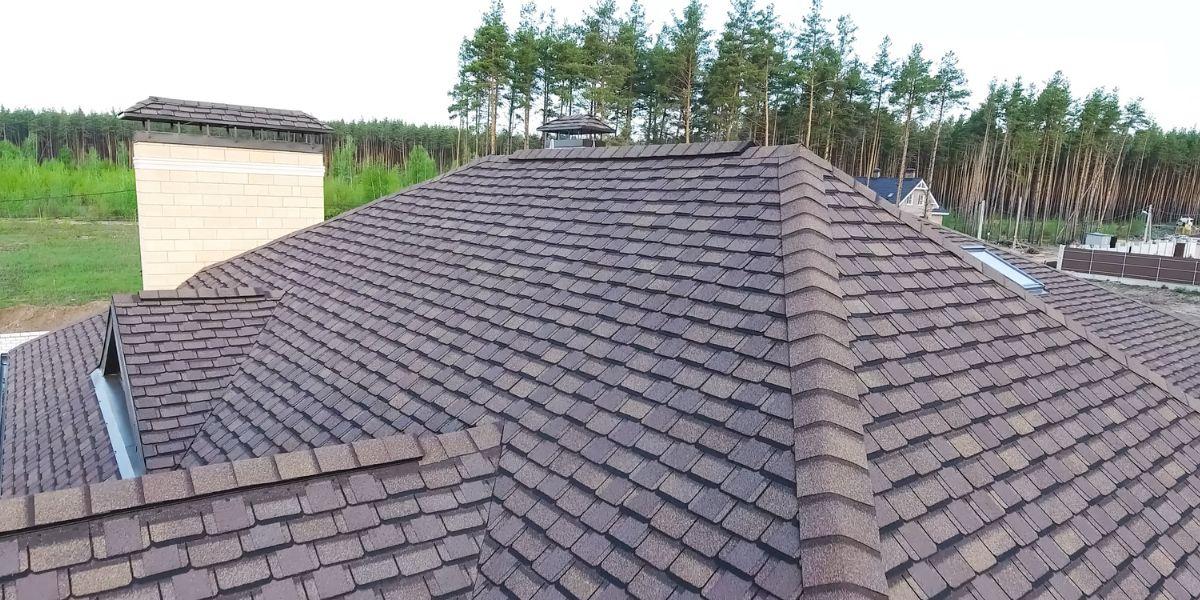
Material selection drives both initial cost and long-term value. Asphalt shingles represent the most budget-friendly option, typically costing $3.00–$6.75 per square foot installed locally. A standard 2,279 square-foot roof runs roughly $8,000–$12,400 with asphalt.
But here's the long-term perspective most articles skip: In Akron-area homes and throughout the region's freeze-thaw climate, asphalt shingles last 15–25 years, shorter than the national 25–30 year average. This lifespan compression happens because repeated freeze-thaw cycles expand and contract shingles, accelerating granule loss and cracking.
If you plan to stay in your home 25+ years, choosing a material that lasts longer makes financial sense despite higher upfront cost.
Metal roofing costs more initially ($8–$16 per square foot in the Akron-Canton area), but lasts 40–70 years while reflecting summer heat, reducing cooling costs. Over 40 years, that energy savings recoup your premium material investment while eliminating a second roof replacement. Metal also sheds snow easier, reducing ice dam formation, a major problem in local climate conditions.
Your material options include:
- Asphalt shingles: $3–$7 per sq ft, 15–25 year lifespan
- Metal roofing: $8–$16 per sq ft, 40–70 year lifespan
- Premium materials (composite): $10–$25 per sq ft, 50+ year lifespan
Premium materials make sense if you plan multi-generational ownership or want distinctive appearance that increases curb appeal for resale
5. Workmanship Warranties Protect Homeowners From Installation Defects and Future Repair Costs
Warranty protection determines whether future roof issues cost you hundreds or nothing. Two separate warranties protect your roof:
- Manufacturer coverage (material defects like defective shingles)
- Contractor workmanship warranty (installation quality and proper execution)
GAF, CertainTeed, and Owens Corning—the industry's leading manufacturers—offer lifetime material warranties on premium shingles to original owners. This covers manufacturing defects in shingles themselves. Workmanship warranty, however, comes from your contractor and covers installation quality: proper fastening, flashing, ventilation, and seal integrity.
Here's where TK Roofing and Gutters differentiates significantly: a 20-year workmanship warranty, double the 5–10 year industry standard.
Many homeowners choose contractors based on lowest bid alone, overlooking warranty details. A contractor offering weak or short workmanship coverage may quote $1,000 less upfront but leave you exposed to expensive leak repairs in years 5–10. The 20-year workmanship warranty essentially purchases insurance against installation failure and peace of mind that outlasts most roof repairs.
When comparing contractors, request written warranty details and confirm transferability to future owners. Ask what "workmanship defect" means specifically. Legitimate contractors back their work confidently because their installation standards are high.
Professional Roof Inspections Identify Cost-Saving Opportunities
A professional roof inspection can identify cost-saving opportunities and prevent expensive surprises during replacement. When you invest time in a thorough inspection before committing to a contractor, you gain critical information that protects your budget and timeline.
Professional inspectors examine your roof's current condition, identify hidden damage that won't show up in casual visual inspection, and help you understand which repairs are urgent versus which can wait.
This information becomes your negotiating advantage when comparing contractor bids. Across Northeast Ohio properties, homeowners who get professional inspections before requesting estimates report reduced costs by identifying issues early.
This early-stage inspection also protects you. When a roofing company documents existing damage and roof condition, you and the contractor both start with the same baseline. This prevents the common scenario where hidden damage discovered during tear-off becomes an unexpected cost argument.
Frequently Asked Questions
Can I overlay my roof instead of replacing it to save money?
Roof overlays cost less initially but prevent inspection of hidden damage and may void warranties. Overlays require fewer materials and labor, reducing upfront costs roughly 20–30%. However, they hide rotting roof deck, structural issues, and complicate future inspections. Ohio building code prohibits overlays if your roof already has multiple layers. Full tear-off replacement reveals problems early, ensures proper ventilation (critical for preventing ice dams in local climate conditions), and maintains manufacturer warranty coverage. Most professionals recommend replacement over overlay.
What's the "50% Rule" for deciding repair vs. replacement?
When repair costs approach 50% of replacement cost, replacement is typically the smarter long-term investment. This rule prevents years of recurring repairs ($2,000 here, $1,500 there) that total your replacement cost without giving you a new roof. A professional roof inspection determines whether localized damage warrants repair or widespread deterioration requires replacement. This distinction protects your budget by clarifying the true cost of delaying replacement.
Will a new roof reduce my homeowner's insurance premiums?
Insurance companies sometimes offer 10–20% premium discounts for new roofs because they reduce claim likelihood. Newer roofs are less prone to leaks and collapse. Contact your insurer to confirm your discount eligibility.
How long does roof replacement take?
Most residential roof replacements complete in 1–3 days depending on size, complexity, and weather conditions. A straightforward 2,000 square-foot asphalt roof typically takes 1–2 days. Complex roofs with multiple valleys, dormers, or skylights may take longer. TK Roofing and Gutters' crews monitor weather carefully. Work pauses during heavy rain or high winds to maintain safety and installation quality standards.
Ready for Your Free Roof Inspection?
At TK Roofing and Gutters, we serve Ohio homeowners with honest expertise, certified installation, and warranty confidence. Our 20+ years of experience navigating freeze-thaw cycles, ice dams, and seasonal weather challenges means we understand your roof's specific needs.
Get a free inspection and detailed roofing estimate. No pressure, no hidden fees, just transparent guidance on whether repair or replacement makes sense for your situation and budget.
We'll explain your warranty options, compare material choices based on your long-term plans, and schedule installation during timing that works for your budget. Our workmanship warranty, double the industry standard, ensures your investment stays protected for decades.
Call TK Roofing and Gutters today: (330) 858-2616
Your roof protects what matters most. Let's make sure it's done right!

Call Us
(330) 858-2616
Email Us
info@tkroofingandgutters.com
Visit Our Office
3256 South Main St. Akron, Ohio 44319

Hours
9am - 5pm
Monday to Friday
Closed Holidays
Monday to Friday
Closed Holidays
Related Posts
 How Do I Tell If a Roofer Is Pushing Replacement When Repair Is Enough?
Learn the four tests that separate a legitimate replacement recommendation from scope inflation, and why who pays your roofer matters as much as what they find.
Read Article
 My Roof Is 15 Years Old and I Have One Leak: Repair or Replace?
A single leak at 15 years usually traces to failed flashing, not a dying roof. Here is how Akron homeowners can tell repair from replacement with confidence.
Read Article
Search


