Certified Roof Replacement Across Northeast Ohio
TK Roofing and Gutters installs replacement roofs for homeowners across Northeast Ohio from its Akron office. The company holds installer certifications from GAF, CertainTeed, and Owens Corning — a combination fewer than 3% of contractors nationally carry — and backs every installation with a 20-year transferable workmanship warranty. Inspections and estimates are free, and no commissioned salesperson is involved at any point.
Roof Replacement Cost in Northeast Ohio
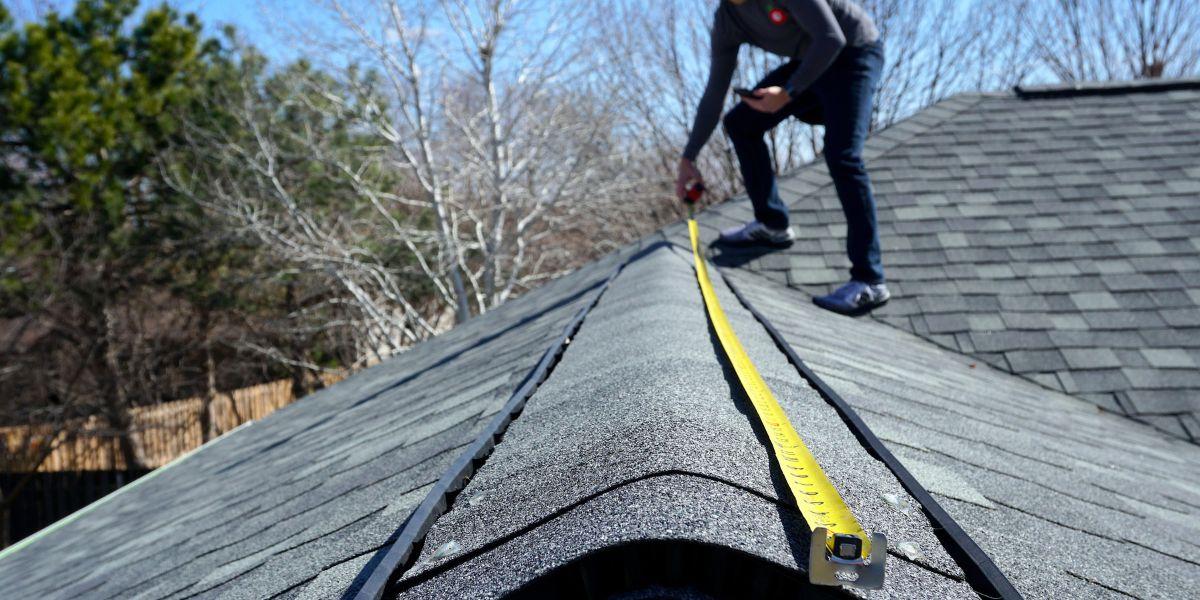
Most roof replacements in the Akron area run between $6,000 and $12,000. That range tracks statewide data: Fixr places Ohio roof replacement at $6,000 to $12,000, and the This Old House 2026 roofing survey reports an Ohio average of $6,831. Roofing is priced by the square — 100 square feet of actual roof surface — so five variables move the number:
- Roof size, measured in squares rather than by the home's floor plan
- Material, from standard architectural asphalt at the low end to designer shingles and metal at the top
- Pitch, which slows installation, adds surface area, and requires more ice barrier at the eaves
- Existing layers to tear off and haul away
- Decking condition, which is unknown until tear-off exposes it
Large homes, complex rooflines, and premium materials push past that range. A firm figure requires an on-site measurement, which costs nothing.
Signs You Need Replacement, Not Repair
An asphalt shingle roof needs full replacement once the same problem shows up on more than one slope. Isolated damage — a lifted ridge cap, flashing separation at a chimney, three or four missing shingles after a wind event — is a repair.
Wear across more than one slope
Granule loss, curling tabs, and exposed fiberglass mat spreading across multiple planes mean the shingles have reached the end of their service life rather than taken localized damage. Patching one slope on a roof in that condition buys a season or two at most.
A roof past 20 years
Age matters alongside condition. Much of Akron's housing stock predates 1950 — Goodyear Heights and Firestone Park were built as company neighborhoods for Goodyear and Firestone workers in the 1910s and 1920s — and decking on homes that old often tells a different story than the shingles above it.
Soft spots or sagging in the decking
Spongy areas underfoot or visible sagging between rafters point to deteriorated sheathing from long-term moisture. That is a structural issue, not a surface one, and it is only correctable with the roof opened up.