


How the Freeze-Thaw Cycle Damages Akron Roofs — And What to Do About It
Date Posted:
May 18, 2026
Author:
Daryl Gentry
By Daryl Gentry, Owner — TK Roofing and Gutters, LLC | Serving Northeast Ohio since 2003 | 3256 S Main St, Akron, Ohio 44319 | 330-858-2616
Quick Answer: Summit, Stark, Portage, and Medina County homes cycle through 40 or more freeze-thaw events every winter, according to regional climate data tracked by GLISA at the University of Michigan. Each cycle forces moisture trapped inside roofing materials to expand by roughly 9 percent, then contract again — cracking shingles, separating flashing, and forming ice dams that push water under the roof deck. A professional inspection every fall is the single most effective way to catch damage before it becomes a full replacement.
The freeze-thaw cycle damages Akron roofs more than any other weather force — quietly, repeatedly, and usually without visible warning until water is already inside the home. Each time temperatures cross the 32°F threshold, any moisture trapped in roofing materials freezes, expands by roughly 9 percent, and then contracts again as temperatures rise. Repeat that process 40 or more times per winter across Summit County, and the cumulative stress on shingles, flashing, and decking becomes severe.
Most Akron homeowners understand that Ohio winters are hard on roofs. What many don't realize is just how different that damage looks from what national roofing guides describe. Understanding how freeze-thaw cycles work — and what specific failure patterns they produce — helps homeowners catch problems early and protect one of their biggest investments.
Key Takeaways About The Freeze-Thaw Cycle In Akron
- Summit, Stark, Portage, and Medina counties average 40+ freeze-thaw cycles per winter, based on GLISA regional climate data.
- Asphalt shingles last 15–25 years in Northeast Ohio — as much as 10 years shorter than national averages — due to freeze-thaw stress.
- Ice dams are a roofing symptom, not the root cause. Poor attic ventilation and inadequate insulation drive their formation.
- Flashing is the most common freeze-thaw failure point on residential roofs in the region.
- Ohio's Climate Zone 5 building code requires ice-and-water shield to extend at least 24 inches inside the wall line on all re-roofs.
- A fall roof inspection is the highest-ROI maintenance step for any Akron homeowner.
What the Freeze-Thaw Cycle Actually Does to a Roof
The freeze-thaw cycle damages residential roofing systems by forcing trapped moisture to expand and contract repeatedly, widening microscopic cracks until they become full structural failures. It does not announce itself. There is no dramatic event — just a slow, compounding process that runs quietly from November through March.
Here is the basic mechanism. Water from rain, snowmelt, or condensation seeps into the smallest gap in a shingle, a flashing seal, or a cracked pipe boot collar. Temperatures drop below 32°F at night. That water freezes and expands, pushing the gap slightly wider. Temperatures rise above freezing during the day. The water thaws, the material contracts, but the gap does not return to its original size. The next cycle finds a slightly larger opening. Over 40-plus cycles, small surface imperfections become active leak points.
This is why roofing challenges in Ohio's climate are fundamentally different from what homeowners in warmer or more consistently cold regions face. A climate with stable, deep cold is actually less damaging to roofing materials than one that swings across the freezing threshold over and over. Akron sits squarely in that damaging middle zone.
The 4 Roof Components Freeze-Thaw Cycles Hit Hardest
Flashing, asphalt shingles, nail fasteners, and pipe boot collars are the four components most consistently degraded by freeze-thaw cycling on Northeast Ohio residential roofs. Each fails in a distinct way, and each produces a different leak pattern inside the home.
Flashing Separation
Flashing fails under freeze-thaw stress because masonry, metal, and asphalt expand and contract at different rates, pulling sealed joints apart season after season. Step flashing along chimney walls, counter-flashing embedded in mortar joints, and valley flashing all experience this movement. A seal that survives one winter may open after three or four. When it does, water travels laterally behind the flashing before it ever drips — which is why interior stains rarely appear directly below the actual failure point. Identifying and re-sealing compromised flashing is one of the most common repairs across Akron, Cuyahoga Falls, and Green.
For a closer look at how these common roof issues in Ohio develop across the region, TK Roofing and Gutters has documented the full pattern.
Shingle Cracking and Granule Loss
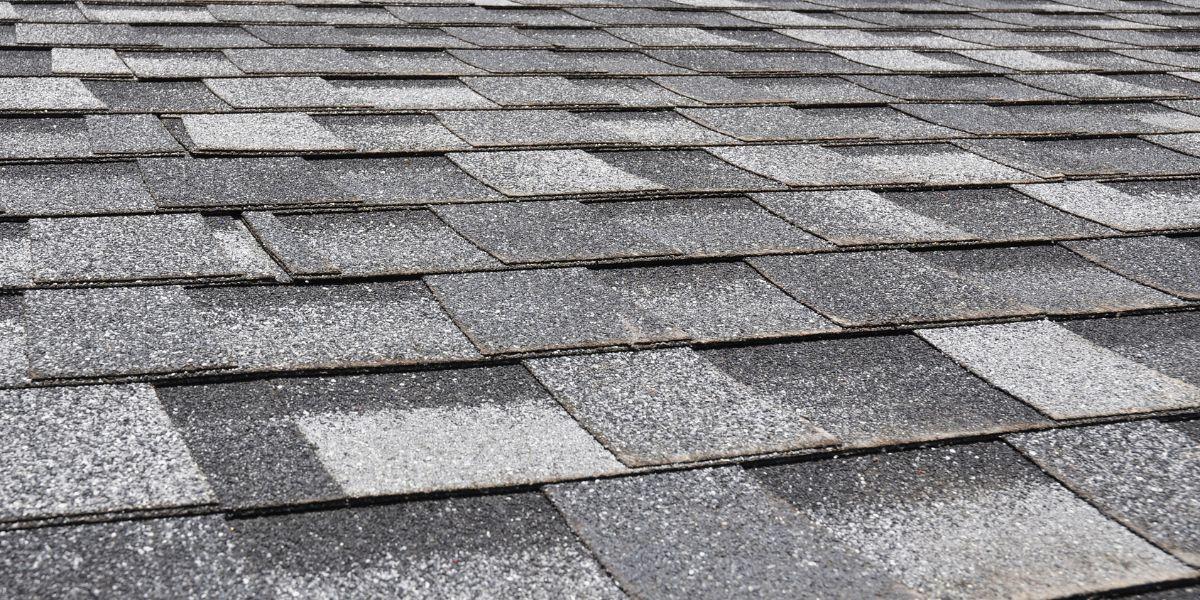
Asphalt shingles crack, curl, and shed granules under repeated freeze-thaw pressure, shortening their functional lifespan well below national estimates. In milder climates, architectural asphalt shingles are rated for 25–30 years. In Northeast Ohio, the realistic range is 15–25 years — a gap driven largely by thermal cycling. Once granules begin washing into the gutters, the asphalt mat beneath is exposed to UV radiation and accelerated moisture absorption. That speeds up cracking, and cracking accelerates water infiltration. The damage compounds quickly. Watch for coarse, sand-like material in downspout drains after rain as an early indicator.
Nail Pops
Roofing nails back out of the deck when materials expand and contract dozens of times per season, creating small but direct openings for water to enter. The nail head itself is tiny. The hole it exposes is not. Rain catches the raised nail and channels straight down into the attic insulation. From the ground, nail pops are visible as small raised bumps or tent-shaped shingle deformations, often most obvious on lower roof slopes where thermal movement is greatest. Akron homeowners in neighborhoods with older housing stock — Barberton, Portage Lakes, Wadsworth — tend to see nail pops appear earlier because aging decks hold fasteners less securely.
Pipe Boot Deterioration
Rubber pipe boot collars around plumbing vents crack and collapse under Ohio's freeze-thaw cycling, creating hidden leak points that homeowners routinely mistake for plumbing problems. The rubber degrades faster in climates with extreme thermal swings, and most roofs outlive their original boots by several years without the homeowner knowing. Water from a failed boot travels along the vent pipe and rafter for several feet before appearing as a ceiling stain — which is why the stain almost never sits directly below the actual entry point. This pattern shows up consistently on inspections across Hudson, Bath Township, and North Canton. To understand the full range of signs your roof was damaged by Ohio winters, it helps to know where to look beyond the obvious.
Ice Dams — The Visible Sign of a Deeper Problem
Ice dams are a symptom of inadequate attic ventilation — not a roofing failure. The freeze-thaw cycle drives both the initial melt and the repeated refreeze. Heat escaping from living spaces into the attic warms the upper roof deck, melting snow above the freeze line. That meltwater runs toward the cold eave, hits the unheated overhang, and refreezes into a growing ridge of ice. As the dam builds, standing water backs up behind it and seeps under shingles — soaking the roof deck, saturating insulation, and eventually reaching interior ceilings.
Northeast Ohio's combination of heavy snowfall — Akron averages roughly 42 inches annually according to NWS Cleveland climate data — and frequent above-freezing daytime temperatures creates ideal conditions for ice dam formation. Homes built before the 1980s are especially vulnerable because they predate modern insulation standards. For Northeast Ohio, the correct attic insulation target is R-49 to R-60, which corresponds to roughly 16 to 20 inches of fiberglass batting or 13 to 17 inches of blown cellulose.
Understanding what ice dams are and why they form is the first step — but removal requires a different approach than prevention. If ice dams are already present, there are safe methods for removing ice dams without damaging the shingles underneath. The long-term solution is always correcting the attic's thermal envelope.
Summit County's roofing code adds a layer of protection that helps: Ohio's Climate Zone 5 designation requires ice-and-water shield to extend at least 24 inches inside the interior wall line on all re-roof projects. That self-adhering membrane seals around nail penetrations and keeps water out even when ice dams form above it. Contractors who skip or shortcut this requirement leave homeowners exposed.
How to Spot Freeze-Thaw Damage Before It Becomes a Replacement
The most reliable early warning signs of freeze-thaw roof damage are visible from the ground with no ladder required — and catching them in fall, before the next freeze cycle begins, is the difference between a repair and a full replacement.
Look for these indicators every fall and after each significant winter weather event:
- Granule loss in gutters or at downspout outlets — coarse, sand-like material after rain signals active shingle deterioration
- Raised or tent-shaped shingle bumps — nail pops pushing up through the surface, most visible on lower slopes
- Visible gaps at chimney or vent flashing — use binoculars from the driveway; look for lifted metal edges or rust streaks
- Thick ice at the eave edge — a forming ice dam, especially if icicles exceed six inches in length
- Interior ceiling stains — often amber or brown rings; the stain almost never sits directly below the actual entry point
- Soft or spongy areas on the roof surface — indicate saturated decking beneath, which means water has already reached structural components
A roof older than 15 years in Summit, Stark, Portage, or Medina County warrants a professional inspection even without visible damage. The freeze-thaw cycles and snow load Ohio roofs endure mean that the 20-year national benchmark simply does not apply here. For a comprehensive guide to snow and ice damage prevention for Ohio roofs, TK Roofing and Gutters has assembled the full seasonal approach.
What Akron Homeowners Should Do Before and After Every Winter
A two-inspection annual rhythm — one in fall before freezing begins, one in spring after the final thaw — is the most cost-effective maintenance strategy for any Northeast Ohio homeowner. Each inspection serves a different purpose and catches a different set of problems.
The fall inspection targets preventable failures: loose flashing, missing sealant at penetrations, granule-depleted shingles that will not survive another freeze cycle, and clogged gutters that will trap ice. Gutters packed with leaves going into winter create a continuous freeze-thaw dam at the eave that worsens ice dam formation and pulls gutter systems away from fascia boards. Clean gutters before the first hard freeze.
The spring inspection documents what the winter actually did. Freeze-thaw damage accumulates quietly. Nail pops, flashing separation, and cracked pipe boots that developed between December and March may not be visible from the inside until the next heavy rain or the one after that. Catching them in April or May costs a fraction of what interior water damage repair runs by July.
Beyond inspections, the two highest-impact upgrades for Akron homes are attic air sealing and proper balanced ventilation. Both reduce the heat escaping through the roof deck, which reduces the melt-refreeze cycle that forms ice dams and stresses shingles from below. These are building envelope corrections, not roofing repairs — but they protect the roof more than any shingle upgrade alone.
What Certified Installation Means in a Freeze-Thaw Climate
In a Climate Zone 5 environment like Akron's, how a roof is installed matters as much as which shingles are used — and certified contractors follow manufacturer specifications that directly address freeze-thaw performance.
GAF Certified contractors, CertainTeed Select ShingleMaster installers, and Owens Corning certified roofers are trained to the exact installation details that protect against Northeast Ohio's specific failure modes: proper nailing patterns that resist thermal movement, ice-and-water shield coverage at eaves and valleys, balanced ridge and soffit ventilation that keeps the attic cold, and flashing integration that accounts for differential expansion between materials.
TK Roofing and Gutters holds all three of those manufacturer certifications and has been serving Summit, Stark, Portage, and Medina County homeowners since 2003. Owner Daryl Gentry backs every completed roof with a 20-year workmanship warranty — twice the industry standard — because certified installation in a freeze-thaw climate requires that level of accountability.
If your roof is showing any of the warning signs described in this article, or if it is approaching the 15-year mark, a free inspection is the right next step. Call TK Roofing and Gutters directly at 330-858-2616 to schedule yours.
Frequently Asked Questions
How many freeze-thaw cycles does Akron get each winter?
Summit, Stark, Portage, and Medina County homes experience an average of 40 or more freeze-thaw events per winter, based on Great Lakes regional climate data tracked by GLISA at the University of Michigan. That figure is consistent with the broader Northeast Ohio and Great Lakes climate pattern, where temperatures swing above and below 32°F repeatedly throughout the season rather than staying locked in deep cold. Each crossing of the freezing threshold is an independent stress event for roofing materials, flashing seals, and roof decking.
How long does a roof last in Northeast Ohio compared to the national average?
Asphalt shingles typically last 15–25 years in Northeast Ohio — significantly shorter than the 25–30 year national average — because freeze-thaw cycling, ice dam pressure, and heavy snow load accelerate material degradation. The gap is most pronounced on 3-tab shingles and standard builder-grade architectural shingles that are not engineered for high freeze-thaw frequency. Premium architectural shingles installed with proper ventilation and ice-and-water shield can reach the higher end of that range. Metal roofing systems perform differently — they are largely unaffected by freeze-thaw cycling and typically last 40–70 years in Ohio's climate.
What is the most effective way to prevent ice dams on an Akron roof?
Correcting attic insulation and air sealing is the most effective long-term solution for preventing ice dams — not roof raking or temporary heat cables, which treat the symptom rather than the cause. The root problem is heat escaping from living spaces into the attic, which warms the roof deck and melts snow above the freeze line. For Ohio's Climate Zone 5, attic insulation should reach R-49 to R-60 — roughly 16 to 20 inches of fiberglass or 13 to 17 inches of blown cellulose. Balanced soffit-to-ridge ventilation keeps the attic cold even when living spaces are warm, stopping the melt-refreeze cycle before it starts.
What is Climate Zone 5 and how does it affect my roof?
Climate Zone 5 is a building energy classification assigned to most of Ohio under the International Energy Conservation Code, and it directly determines the minimum insulation, ventilation, and ice barrier standards required for every residential roof in the region. The IECC divides the United States into climate zones based on temperature, humidity, and heating and cooling demand. Zone 5 covers areas with cold winters and significant freeze-thaw exposure — including all of Summit, Stark, Portage, and Medina counties. In practical terms, Zone 5 designation triggers three requirements that matter most to homeowners: attic insulation rated at a minimum of R-49, balanced soffit-to-ridge ventilation, and ice-and-water shield membrane extending at least 24 inches inside the interior wall line at all eaves and valleys. Contractors who install to Zone 5 standards are installing to the actual demands of Northeast Ohio winters — not to a generic national baseline that was never designed for 40-plus freeze-thaw cycles per season.
Should I file an insurance claim for freeze-thaw roof damage?
Whether freeze-thaw roof damage qualifies for an insurance claim depends on how the damage occurred — sudden events like ice dam water intrusion are often covered, while gradual deterioration from deferred maintenance typically is not. The key distinction insurers apply is whether damage was sudden and accidental or the result of wear and neglect. Homeowners with documented inspection and maintenance records are better positioned when claims arise. If your roof has visible freeze-thaw damage after a significant weather event, document it with photos immediately and contact a certified roofing contractor before approaching your insurer. TK Roofing and Gutters has guided Akron-area homeowners through this process consistently across Summit and surrounding counties.
Protect Your Akron Roof Before the Next Freeze Cycle Begins
The freeze-thaw cycle is the defining roofing challenge for every homeowner in Northeast Ohio. It works quietly, compounds every season, and by the time it produces a visible ceiling stain, it has usually been active for several winters already. The most effective response is a consistent fall inspection, clean gutters before hard freeze, and certified installation when replacement is due.
TK Roofing and Gutters has served Summit, Stark, Portage, and Medina County homeowners since 2003. GAF Certified, CertainTeed Select ShingleMaster, Owens Corning certified. Every completed roof is backed by a 20-year workmanship warranty signed by owner Daryl Gentry. Call 330-858-2616 to schedule your free inspection today.

Call Us
(330) 858-2616
Email Us
info@tkroofingandgutters.com
Visit Our Office
3256 South Main St. Akron, Ohio 44319

Hours
9am - 5pm
Monday to Friday
Closed Holidays
Monday to Friday
Closed Holidays
Related Posts
 How Do I Tell If a Roofer Is Pushing Replacement When Repair Is Enough?
Learn the four tests that separate a legitimate replacement recommendation from scope inflation, and why who pays your roofer matters as much as what they find.
Read Article
 My Roof Is 15 Years Old and I Have One Leak: Repair or Replace?
A single leak at 15 years usually traces to failed flashing, not a dying roof. Here is how Akron homeowners can tell repair from replacement with confidence.
Read Article
Search


