


How Do I Know If My Roof Was Damaged During A Snow Storm?
Date Posted:
January 28, 2026
Author:
Daryl Gentry
By Daryl Gentry, Owner — TK Roofing and Gutters, LLC | Serving Northeast Ohio since 2003 | 3256 S Main St, Akron, Ohio 44319 | 330-858-2616
Snow and ice place tremendous stress on your roof, causing damage that often hides until spring. Heavy snowfall, freeze-thaw cycles, and ice dams create the perfect conditions for structural problems, water infiltration, and costly interior damage.
Northeast Ohio winters, particularly in Akron, Bath, Canton, Cuyahoga Falls, Hudson, Massillon, and Stow, bring exactly these challenges. The weight of wet snow, combined with rapid temperature swings, tests every shingle, flashing, and seal on your home.
The trouble is: most winter roof damage doesn't announce itself loudly. You might not see problems until water stains appear on your ceiling weeks later. By then, the damage has already spread. Knowing what to look for, both right after a storm and as spring arrives, helps you catch problems early, protect your home, and document damage for insurance claims.
Here's what homeowners need to know to identify winter storm damage and take action before small problems become expensive repairs.
Immediate Post-Storm: Visible Signs To Check Right Away
Look for missing shingles, damaged gutters, and roof debris immediately after heavy snow melts. The first 24-48 hours after a storm offer the clearest window to spot obvious damage. This is when you should conduct your initial assessment—safely from the ground or using binoculars—before natural weathering obscures evidence.
Check your yard and gutters for:
- shingle pieces
- granules (the sandy texture protecting asphalt shingles)
- debris scattered around your home's foundation
Walk the perimeter and look at your roof from ground level, noting any:
- visible holes
- dark patches
- sections that look obviously damaged
If large tree branches hang near your roof, look for snapped limbs, punctures, or gouges in the shingle surface.
Gutters filled with ice chunks or clogged with debris signal that water isn't draining properly. This matters because blocked gutters force water to back up under your roofline, seeping into your attic and walls.
If gutters are visibly pulled away from the house, sagging under weight, or detached entirely, document this with photos immediately it strengthens any future insurance claim.
Check out our guide about the 6 signs your roof was damaged by heavy snow to see if you need to call a roofer.
Interior Signs: How Water Damage From Snow Reveals Roof Problems Inside Your Home
Water stains, damp insulation, and musty smells in your attic indicate that snow and ice have already forced moisture inside. This is often where roof damage reveals itself first. Water travels down, so ceiling and attic damage appears before you see obvious roof problems.
Check your attic carefully after any major snowstorm. Look for water stains on the underside of roof decking, wet or discolored insulation, and frost buildup on rafters.
A musty or earthy smell in your attic, even if you don't see standing water, suggests moisture is accumulating. Grab a flashlight and scan roof valleys and areas where chimneys or vents meet the roof. These are vulnerable spots where flashing can loosen under snow pressure.
Inside your home, examine ceilings and upper walls for yellow or brown discoloration. These stains indicate water has penetrated your roof and is seeping down through insulation and drywall.
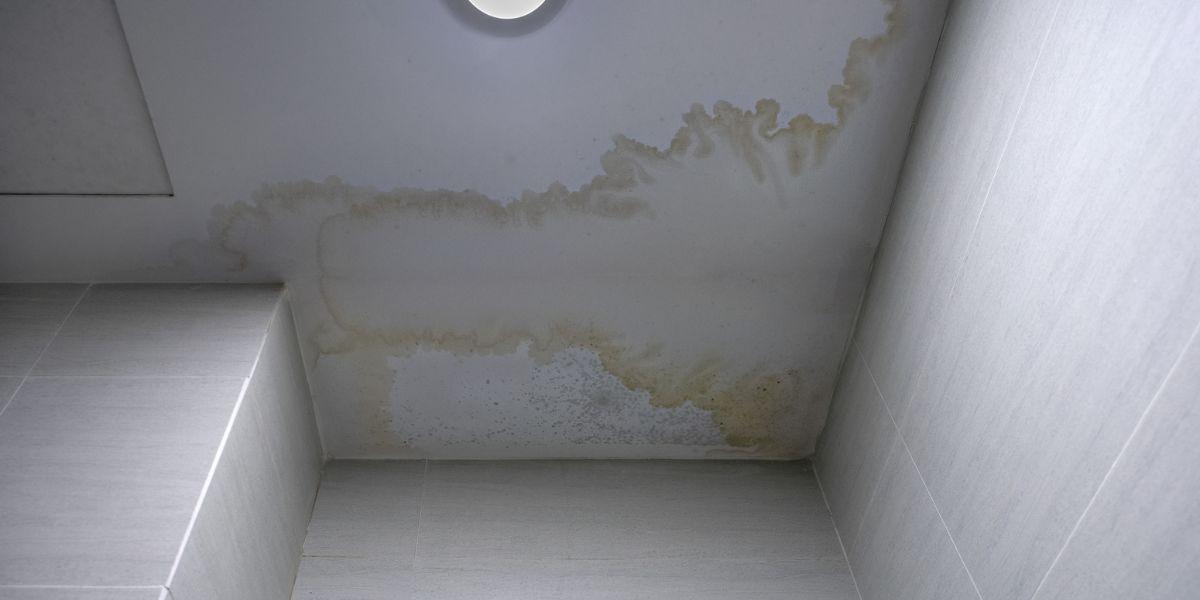
Even small stains matter. They prove water is finding its way in, and slow leaks cause more total damage than dramatic drips because homeowners often ignore them for weeks.
If you notice peeling paint, bubbling wallpaper, or warped trim near the roofline, moisture is trapped behind walls. This damage accelerates mold growth and structural decay. Take photos of all interior water damage, note the date you discovered it, and keep these images for insurance documentation.
Exterior Inspection: How To Identify Roof Damage On Your Home
Missing or cracked shingles, sagging rooflines, and damaged flashing are red flags indicating structural stress from snow weight and freeze-thaw damage. Once you've checked the ground and inside your home, assess what you can see from outside.
From a distance or using binoculars, scan your roofline for obvious gaps where shingles should be. Look for shingles that appear curled, lifted, or wavy—this indicates temperature stress or water pressure pushing them up. Cracked shingles, visible even from the ground on darker roofs, mean the protective granule layer has failed. Ice and water will penetrate these cracks quickly.
Check roof valleys (where two roof planes meet) for debris accumulation or visible damage. Valleys concentrate water flow, making them vulnerable to ice dam formation and water infiltration. Look where your chimney meets the roof, around skylights, and where vents penetrate the surface. These transition areas rely on flashing—metal strips that seal gaps. Ice expansion and freeze-thaw cycles loosen flashing, creating pathways for water.
A sagging or uneven roofline is serious. If sections of your roof visibly dip, bow, or sag compared to the rest, the structure is under severe stress. Excessive snow weight or hidden moisture damage causes this.
Don't ignore sagging, it indicates your roof's structural integrity is compromised and could worsen rapidly.
Ice Dams: The Winter Problem Unique To Northeast Ohio
Ice dams form when attic heat melts snow unevenly, causing meltwater to refreeze at roof edges and trap water under shingles. This is the defining winter roof problem in Northeast Ohio. Our freeze-thaw cycles—where temperatures swing from below freezing to above freezing, then back again—create perfect conditions for ice dams to develop repeatedly throughout winter.
Here's how they form:
Warm air escaping from your attic melts snow on the upper roof. That meltwater flows downward until it reaches the colder eaves, where it refreezes into a ridge of ice. As more snow melts above, this water backs up behind the dam, seeping under shingles and into your attic. Within hours, water can infiltrate insulation and damage ceiling drywall.
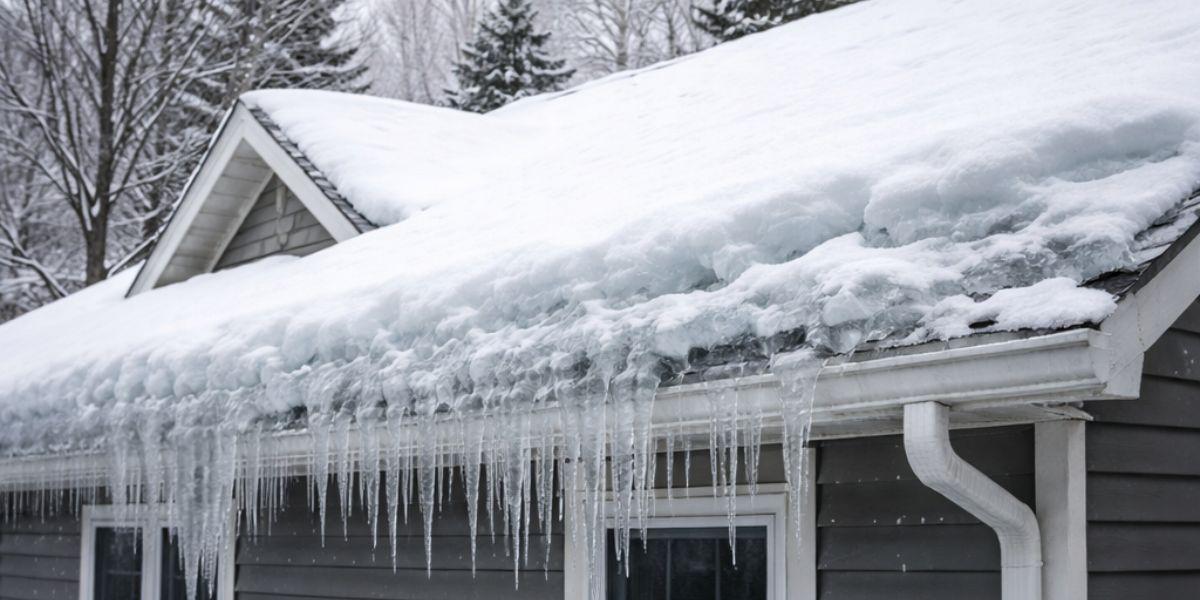
Look for large icicles hanging from your roof edge, especially extending beyond your gutters. Visible ice buildup along the eaves or visible patches of ice along the roofline indicate an ice dam is forming—or has already formed. Water stains on your interior ceiling near the roofline almost always point to ice dam damage.
The dangerous part: Ice dams don't always leave obvious evidence. Homeowners assume their roof is fine because shingles look intact. But water is already inside, wicking into insulation, drywall, and structural lumber. By spring, you discover mold, rot, and widespread damage that could have been prevented.
Spring Assessment: The Critical Post-Thaw Inspection
Spring roof inspections reveal hidden snow and ice damage caused by freeze-thaw cycles and prolonged moisture exposure. This is when damage that winter concealed becomes visible. Freeze-thaw cycles loosen shingles, widen cracks, and separate flashing. Once temperatures stabilize above freezing for several days, conducting a thorough assessment before spring rain hits becomes critical.
Walk your entire roof perimeter from the ground, looking for loose or missing shingles you didn't notice in winter. Check gutters for granule accumulation, excessive granules mean shingles are deteriorating. Look for daylight visible under lifted shingles or obvious gaps.
In your attic, look for new water stains, mold spots, or areas where insulation is permanently compressed or discolored from winter moisture. Check for any soft spots in roof decking (wood that feels spongy or squishy), this indicates rot from prolonged moisture exposure. Document everything with photos.
Spring is also when you should check your roof's overall condition.
- Are shingles curling or cupped?
- Is the surface becoming uneven?
These gradual changes accelerate after a harsh winter. If you see widespread granule loss, multiple missing shingles, or curling across large sections, your roof is aging quickly and may need replacement within 2-3 years.
Documenting Damage For Insurance Claims
Professional documentation and timestamped photos create undeniable proof of snow damage for insurance companies. Insurance companies rely heavily on visual evidence. The more comprehensive your documentation, the stronger your claim against denial or underpayment.
Photograph obvious exterior damage: missing shingles, sagging areas, ice dam formations, damaged gutters, debris impact. Take wide shots showing overall roof condition, then close-ups highlighting specific damage. Include photos showing date (use your phone's timestamp feature). Video evidence is even more valuable—a short clip showing water actively dripping from a ceiling stain or ice dam formations creates undeniable proof.
Inside your home, photograph all water stains, discolored insulation, and damage to ceilings and walls. Include the roofline and surrounding area in each photo so the location is clear. Keep a simple written log noting when you first noticed each problem and what weather conditions were occurring (heavy snow, rapid thaw, freezing rain, etc.).
Document any temporary emergency repairs you make to prevent further damage. Save receipts for tarping services, temporary fixes, or cleanup work. Most homeowner policies cover emergency mitigation costs, but only if you document everything before permanent repairs begin.
Contact your insurance company within 48 hours of discovering damage. Many insurers handle claims faster when reported promptly. Provide your photos, videos, written descriptions, and dates. An adjuster will visit to verify damage and assess claim value. Having professional documentation ready strengthens your position before the adjuster arrives.
When To Call A Professional Roofer
Professional roof inspections identify hidden snow damage and structural concerns that homeowners cannot see. Professional assessment is worth the cost—it catches problems you'd miss and creates formal documentation insurers respect.
Call a roofer if you notice any of these signs: active interior leaks, water stains appearing after a storm, visible roof damage, sagging sections, missing shingles, or ice dams. Don't delay. The longer you wait, the more damage water causes. Professionals can also identify where damage originates—sometimes water enters one area but stains appear elsewhere, making diagnosis tricky without expertise.
A quality contractor performs a thorough inspection, takes professional-grade photos, provides a detailed written report of findings, and can meet with your insurance adjuster to advocate for complete coverage. They understand what adjusters look for and can help ensure you receive fair settlement for actual damage.
Most reputable roofers offer free inspections after major storms. This costs you nothing and provides valuable documentation whether you decide to file a claim or not.
Frequently Asked Questions About Snow Storm Roof Damage
How Soon Should I Inspect My Roof After Heavy Snow?
Inspect your roof within 24-48 hours of heavy snow if it's safe to do so, focusing on ground-level assessment with binoculars rather than climbing. Early documentation strengthens insurance claims and prevents further damage from subsequent snow or thaw cycles. The sooner you identify problems, the sooner you can prevent them from worsening.
What's The Difference Between Storm Damage And Normal Roof Wear?
Storm damage happens suddenly from weather events (heavy snow, ice dams, freeze-thaw stress), while wear and tear develops gradually over years. Insurance covers sudden, accidental damage from storms but not gradual deterioration. If your roof shows fresh damage clearly tied to a specific storm event with documented timestamps, insurance will likely cover repairs. Damage appearing old or widespread across your roof is harder to prove as storm-related.
How Do I Document Roof Damage For An Insurance Claim?
Take dated photos and videos from multiple angles, document interior water damage with location context, keep written notes of when damage appeared and weather conditions, and save receipts for any temporary repairs. Professional inspection reports strengthen claims significantly. Have a certified roofer inspect and document damage before filing—this professional documentation often determines claim approval and settlement value.
Can I Inspect My Roof Myself Or Should I Hire A Professional?
Ground-level assessment with binoculars is safe for initial inspection, but climbing on a roof during or immediately after winter is dangerous and should be avoided. Ice, frost, and loose snow create serious slip hazards. Professional roofers have proper equipment, know where damage hides, and provide documentation that strengthens insurance claims. The free inspection offered after storms is invaluable protection for your home.
Noticing Signs of Roof Damage? Let's Catch It Before It Gets Worse
Winter roof damage spreads silently. A small leak in January becomes serious mold and structural damage by April if ignored. Freeze-thaw cycles, ice dams, and heavy snow loads test your roof continuously throughout winter. By spring, the damage has often progressed far beyond what early detection could have prevented.
The good news: you can stop this progression. Early recognition, thorough documentation, and professional assessment catch problems before they become expensive emergencies. If you've spotted any signs, water stains, missing shingles, ice dams, sagging areas, or granules in gutters, don't wait. The hours you spend documenting now save thousands in damage prevention.
Document everything with photos and dates. Contact a professional roofing contractor within 48 hours of discovering damage. A certified inspection identifies hidden problems you'd miss, helps coordinate with your insurance company, and ensures you receive fair settlement.
In Northeast Ohio, where freeze-thaw cycles and heavy snow are winter realities, being proactive about roof inspection makes the difference between catching problems early and facing emergency repairs in spring.
Your roof protects your family. When winter damage appears, ACT FAST. Professional assessment, thorough documentation, and prompt repairs keep your home safe through whatever weather comes next.
TK Roofing and Gutters has inspected, repaired and replaced roofs across Akron and Northeast Ohio since 2003. We are a family-owned company, GAF Certified Plus, CertainTeed Select ShingleMaster, and Owens Corning certified, with an A+ BBB rating.
Every roof we install is backed by a 20-year transferable workmanship warranty — double the 10-year Akron-area standard — and 50-year transferable coverage on materials.
Inspections are free, and you talk to us; not a call center.
Call (330) 858-2616 to schedule your roof inspection

Call Us
(330) 858-2616
Email Us
info@tkroofingandgutters.com
Visit Our Office
3256 South Main St. Akron, Ohio 44319

Hours
9am - 5pm
Monday to Friday
Closed Holidays
Monday to Friday
Closed Holidays
Related Posts
 My Roof Is 15 Years Old and I Have One Leak: Repair or Replace?
A single leak at 15 years usually traces to failed flashing, not a dying roof. Here is how Akron homeowners can tell repair from replacement with confidence.
Read Article
 How to Find a Roof Leak (Step-by-Step Guide)
Roof leaks cause water damage and mold. A certified Akron roofer walks you through attic inspection, flashing checks, and the garden hose test.
Read Article
Search


