


How to Make Your Roof Last Longer — and Avoid Replacing It Too Soon
Date Posted:
January 18, 2021
Author:
Daryl Gentry

By Daryl Gentry, Owner — TK Roofing and Gutters, LLC | Serving Northeast Ohio since 2003 | 3256 S Main St, Akron, Ohio 44319 | 330-858-2616
Most advice about making a roof last longer is a list of six things presented as equally important. They are not equally important.
After more than twenty years of pulling roofs off Northeast Ohio houses, the pattern is consistent: the roofs that fail early almost never fail because nobody swept the leaves off. They fail because the attic underneath them was never breathing properly, or because water was not getting away from the house, or because a small failure sat for three years until it was a big one.
Here is what actually moves the needle, roughly in order of how much it matters.
Key Takeaways
- Attic ventilation and insulation do more for roof life than anything you can do on the roof surface.
- Keeping water moving — clear gutters, working downspouts — prevents the fascia rot and ice damming that take roofs out early.
- A roof is a system. Some components wear out long before the shingles do, and replacing one failed part is not the same as replacing the roof.
- Small failures compound fast in a freeze-thaw climate. A lifted shingle in October is a decking repair by spring.
- Maintenance moves a roof toward the top of its expected range. It does not push it past the range.
- Some common "maintenance" actively shortens roof life — power washing and stiff brushes strip the granules that protect the shingle.
Start With the Attic, Not the Roof
This is the one most homeowners skip, and it is the one that matters most.
Excess heat from an improperly ventilated attic accelerates asphalt shingle aging from underneath. An attic that cannot exhaust heat bakes the roof deck all summer, and shingles cooked from below go brittle, curl and lose granules years earlier than they should. The same attic in winter lets warm indoor air reach the roof deck, melts snow from below, and produces ice dams at the eaves.
Two things control it:
Ventilation. Intake at the soffits, exhaust at the ridge, balanced. Most ventilation problems in Akron-area homes are intake problems — blown-in insulation pushed over the soffit vents during a past project, blocking airflow at the eaves. You can check this yourself from inside the attic with a flashlight: look along the eaves and see whether you can see daylight at the vents.
Insulation. The Residential Code of Ohio requires R-49 at the ceiling for Climate Zone 5. A lot of Akron and Stark County homes built before the 2000s are sitting at R-19 or R-30 and have never been touched. That is not a code violation on an existing house — nobody has to retrofit — but it is why those houses get ice dams and why their roofs age faster.
This matters more here than in a newer market. On older Northeast Ohio homes, particularly houses built before modern ventilation standards existed, the attic may have been insulated, finished or remodeled several times over the decades without anyone checking whether the soffit intake and the ridge exhaust still work together. Each of those projects was reasonable on its own. The cumulative result is often an attic that no longer breathes.
If you do one thing off this entire list, put your head in the attic on a hot August afternoon. If it feels like an oven and there is no air moving, you have found your roof's biggest problem, and it is not on the roof.
Keep the Water Moving
Nearly every early roof failure we see traces back to water that did not get away from the house.
Clean gutters twice a year. Late spring, after the maples and oaks finish dropping seeds. Late fall, after the leaves are down. Those two windows matter more than the calendar — cleaning in early October in a neighborhood full of oaks just means doing it again.
Check that downspouts discharge well clear of the foundation. Four to six feet minimum. A downspout dumping at the foundation is a basement problem, but it is also a sign nobody has looked at the drainage in a while.
Watch the fascia. Wood fascia sitting behind an overflowing gutter stays wet through a Northeast Ohio spring. It rots, the gutter starts pulling away, and now you have an opening at the roof edge. Rotted fascia is one of the most common problems we find, and it always starts with a gutter nobody emptied.
Consider guards if you are under heavy tree cover. Gutter guards can reduce how often the gutters need clearing and lower the risk of the repeated overflow that damages fascia. They are not maintenance-free, but on a house under mature trees they meaningfully cut down the number of times someone is on a ladder.
Keep Debris Off — Safely
Leaves, branches and pine needles trap moisture against the roof surface. Piles in valleys are the worst offenders, because valleys carry the most water.
Clear what you can from the ground. A roof rake or an extension tool handles the lower slopes and the valleys on most single-storey elevations. This is where the majority of debris collects anyway.
If clearing requires getting on the roof, have a professional do it. Plenty of Northeast Ohio housing stock — the older colonials and Tudors especially — has pitches steep enough that a wet morning turns a routine chore into a hospital visit. It is not worth it to save a service call.
For accessible low-slope areas you can safely reach:
- Wait until the roof is completely dry. Asphalt is deceptively slick when damp.
- Sweep diagonally downhill, with the direction of the shingle courses. Sweeping uphill or across lifts shingle edges and can break the seal.
- Use a soft brush. Never a stiff or bristled one.
Trim branches back eight to ten feet from the roofline. That reduces debris at the source and cuts off the main access route for squirrels, which is a separate problem you do not want.
Where Roof Leaks and Early Failures Usually Start
A roof is a system, and some components wear out long before the shingles do.
Roofs rarely fail in the middle of a field of shingles. They fail at the transitions.
Flashing. Around chimneys, at wall junctions, in valleys, around pipe penetrations. This is where the large majority of leaks originate, and freeze-thaw cycling works on flashing joints every winter. Common roof repairs in Akron are almost all flashing and penetration issues rather than shingle-field problems.
Skylights and chimneys. Good for the house, hard on the roof. Both create a long perimeter that has to stay sealed.
One distinction worth knowing: a drip from a skylight is not always a leak. Warm indoor air hitting cold glass produces condensation that runs down the frame and looks exactly like a leak. If it appears on cold clear days rather than during rain, it is condensation — which points back to humidity and ventilation, not to the roof.
Pipe boots. The rubber collar around plumbing vents typically fails before the shingles do — usually somewhere between eight and twelve years, as UV degrades the rubber. It is a cheap fix and an expensive leak if missed.
This is the distinction that saves homeowners the most money: the age of your shingles is not the same as the age of every component on your roof. A twelve-year-old roof with a failed pipe boot has a boot problem, not a roof problem.
Ice Dams Are an Attic Problem Wearing a Roof Costume
Ice dams form when heat escaping the living space melts snow on the upper roof, the meltwater runs to the cold eaves, and it refreezes into a ridge. Water then backs up behind that ridge and works under the shingles.
The important part: this is not caused by your shingles, and no shingle prevents it. It is caused by heat loss into the attic.
Which means the fix is the first section of this article — air sealing, insulation, ventilation. Raking snow off the lower roof edge after a heavy fall helps in the short term. Chipping at ice with anything metal does not; it damages shingles and gutters and does not address the cause.
Algae and Moss — and How Not to Make It Worse
Those black streaks are algae feeding on the limestone filler in asphalt shingles. Mostly that is an appearance problem. Moss is the more serious one, because it holds water like a sponge and its roots work under shingle edges.
This is where well-intentioned maintenance does real damage.
Do not pressure wash an asphalt roof. Ever. It strips the ceramic granules that protect the asphalt from UV, and once those are gone the shingle ages fast. A pressure-washed roof can lose years of life in an afternoon.
Do not use a stiff or bristled brush for the same reason.
What works: a proper roof-safe cleaning solution, applied and given time to do the work, then swept away gently with a soft brush.
Zinc or copper strips installed near the ridge can slow regrowth — rainwater carries metal ions down the slope, and those inhibit algae and moss. Two honest caveats: the effect only reaches a limited distance below the strip, so large or long roof planes may need more than one run, and strips prevent new growth rather than removing what is already there. They are worth considering on a shaded north slope; they are not a substitute for cleaning a roof that has already gone green.
Fix Small Things Before Winter Finds Them
In a climate with more than forty freeze-thaw cycles a winter, small failures do not stay small.
A lifted shingle in October is an opening for water. Water gets in, freezes, expands, and widens the gap. Forty times before spring. What was a twenty-dollar shingle in the fall can be a decking repair by April.
The same goes for a cracked pipe boot, a separated flashing edge, or a gutter pulling away from the fascia. None of these are urgent the day you spot them. All of them are urgent after one Ohio winter. If you find something in the fall, deal with it before the cold sets in rather than waiting for spring.
And to be clear about what this does and does not mean: a failed pipe boot, loose flashing, a damaged shingle or a small area of soft decking does not automatically mean you need a new roof. Catching isolated failures early is precisely what gives the rest of the roof a chance to reach its expected service life. A repair is often the right answer, and any contractor who reaches for replacement over a single failed component should be asked why.
What You Can Check Yourself — and When to Call a Roofer
Give the roof a visual check twice a year — once in spring to see what winter did, once in fall before it starts again. From the ground with binoculars is fine. You are looking for curling or missing shingles, granule accumulation in the gutters, sagging along the ridge or between rafters, and staining on the fascia. Then put your head in the attic and look for daylight at the soffits, damp or dark sheathing, and compressed insulation.
Bring in a professional when something changes — after significant hail or wind, when you spot one of the signs above, when there is a stain on a ceiling, or when an older roof has not been looked at in several years.
A professional inspection catches what you cannot see from the ground: granule loss patterns, soft decking underfoot, flashing that has separated a quarter-inch, nail pops working through. We also look in the attic, which is where half the answers are.
TK Roofing and Gutters has worked Northeast Ohio roofs since 2003. We are a GAF Certified Plus contractor, a CertainTeed Select ShingleMaster, and Owens Corning certified, and every roof we replace carries a 20-year transferable workmanship warranty — double the 10-year Akron-area standard.
Inspections are free, and if your roof is fine we will tell you that.
Frequently Asked Questions
How long should a roof last in Northeast Ohio?
Most asphalt roofs here land somewhere in the 15 to 25 year range, depending on the shingle, the installation and the attic underneath. Maintenance moves a roof within that range rather than beyond it — good ventilation and prompt repairs get you to the top end, while a hot unventilated attic and deferred repairs put you at the bottom.
What is the single best thing I can do to make my roof last longer?
Fix the attic. Ventilation and insulation do more for shingle life than anything you can do on the roof surface, because heat from below is what ages asphalt fastest. A well-ventilated attic also prevents the ice damming that causes most winter roof damage in this region.
Does one damaged area mean I need a whole new roof?
Usually not. A failed pipe boot, a separated flashing edge, a few damaged shingles or a small patch of soft decking are component failures, and components can be replaced individually. Full replacement makes sense when failures are widespread, when the shingles have reached the end of their service life, or when repair costs start approaching replacement costs.
Should I pressure wash my roof to remove moss and algae?
No. Pressure washing strips the ceramic granules that shield asphalt shingles from UV, and once those are gone the shingle deteriorates quickly. Use a roof-safe cleaning solution, let it work, and sweep gently with a soft brush. Zinc or copper strips near the ridge can slow future regrowth, though they will not clear growth that is already established.
How often should I have my roof inspected?
Check it yourself twice a year, spring and fall, from the ground and from inside the attic. Call a professional when something changes — after major hail or wind, when you notice a new sign, or when an older roof has gone several years without a proper look. Most reputable contractors, including us, inspect free.
Does cleaning my gutters really affect my roof?
More than most homeowners expect. An overflowing gutter keeps the fascia board behind it wet, and rotted fascia opens the roof edge to water and animals. Clogged gutters also contribute directly to ice dam formation by preventing meltwater from draining. Twice a year, timed to seed drop in late spring and leaf fall in late autumn.
I just bought a house — what should I check first?
Get in the attic. Look for daylight at the soffit vents, check whether insulation is blocking airflow at the eaves, and look for water staining, dark wood or frost on the sheathing. Then look at the roof from the ground for curling, missing shingles or granule loss in the gutters. If anything looks off, get a professional inspection before your first winter.
Get An Honest Assessment
We will look at the roof, look in the attic, and tell you what you are actually dealing with — including when the answer is that nothing needs doing yet.
Request a free inspection or call 330-858-2616.

Call Us
(330) 858-2616
Email Us
info@tkroofingandgutters.com
Visit Our Office
3256 South Main St. Akron, Ohio 44319

Hours
9am - 5pm
Monday to Friday
Closed Holidays
Monday to Friday
Closed Holidays
Related Posts
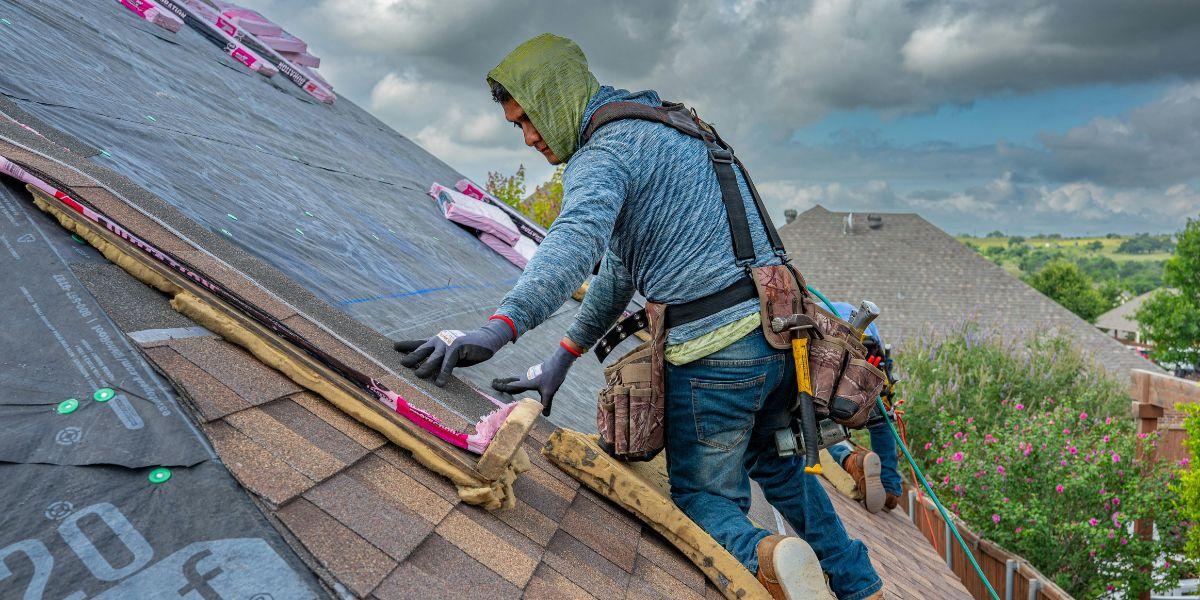 What Is GAF Certified Plus™ and Why Does It Matter?
GAF Certified Plus™ unlocks stronger roofing warranties. Learn why this certification matters and how it protects Northeast Ohio homeowners.
Read Article
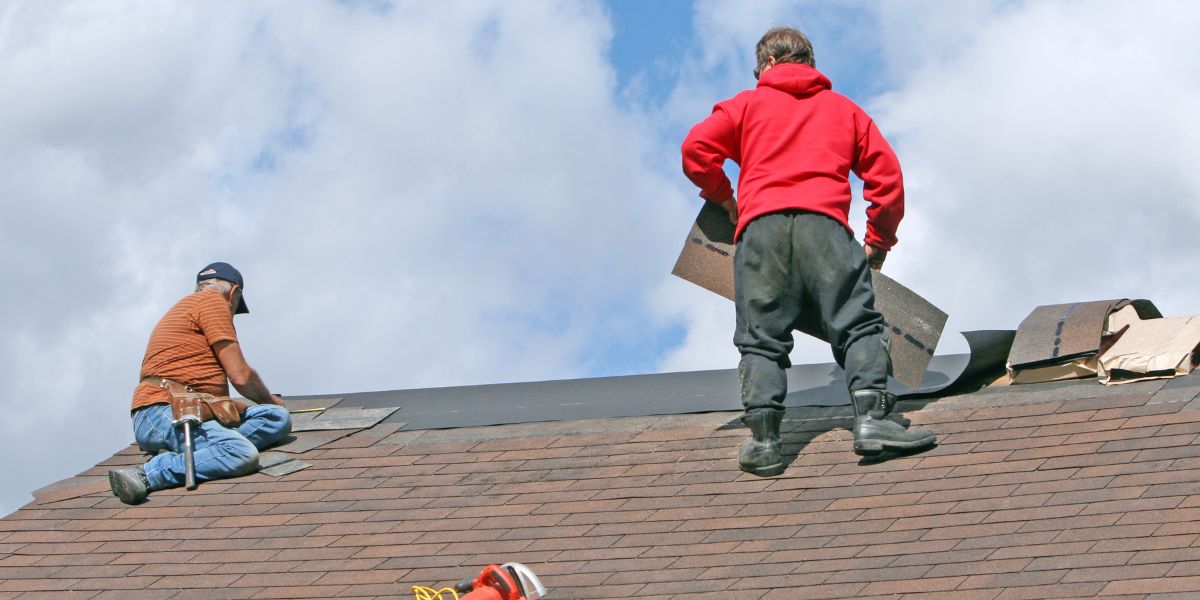 Should I Use a Roofing Contractor That Uses Subcontractors?
Subcontractors are common in roofing. Learn what matters more: insurance, accountability, crew continuity and who stands behind the work.
Read Article
Search


